
Auto Accident Lawyer: When to Get Legal Help After a Crash
By The Letsen Law Firm
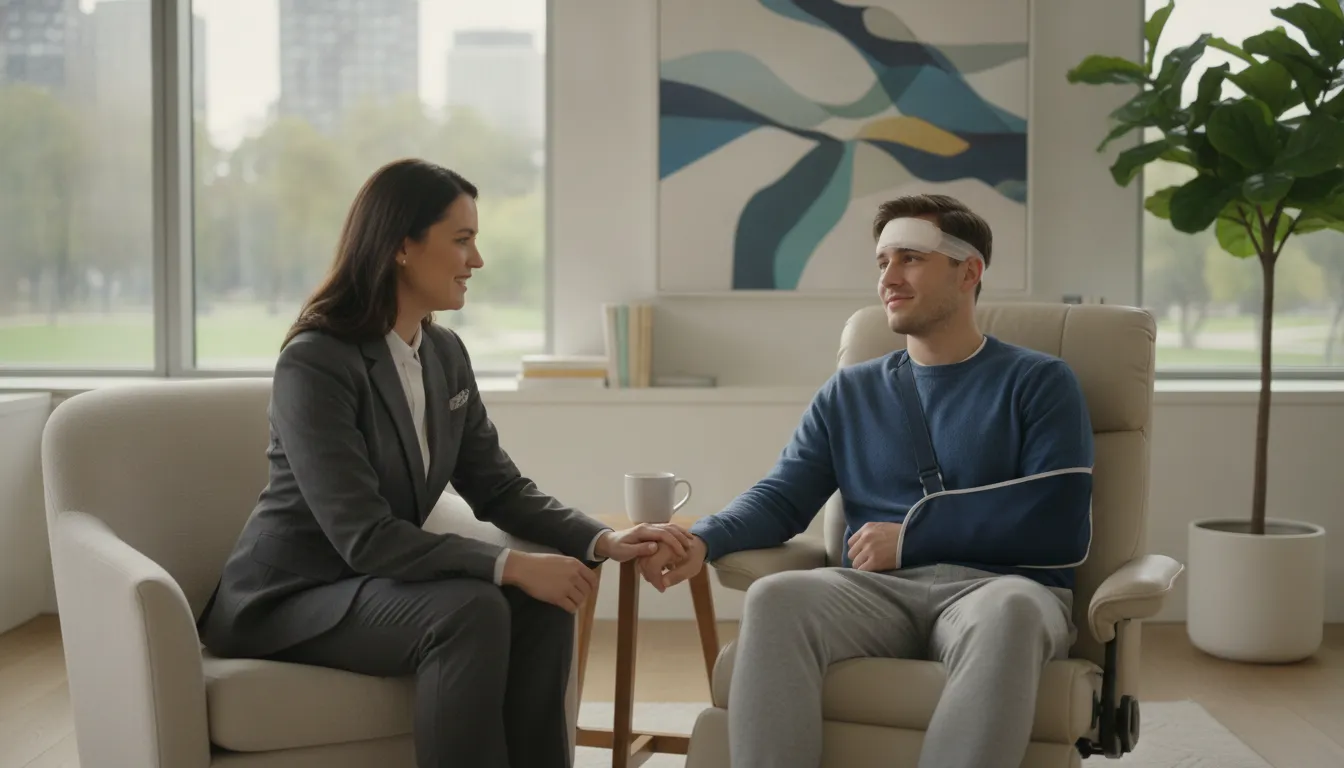
A crash can leave you dealing with pain, missed work, insurance calls, and uncertainty about what to do next. The decisions you make in the first days can affect the evidence available and the strength of a future claim.
An auto accident lawyer may be especially helpful when you are injured, fault is disputed, an uninsured driver is involved, or an insurer makes a quick offer before your condition is clear. In Virginia, even partial fault can bar recovery under the contributory negligence rule, so protecting your account of what happened matters.
Start by getting to safety, calling 911, seeking medical care, documenting the scene, and avoiding statements that admit blame. From there, the right legal response depends on the seriousness of your injuries, the available insurance, and how liability and damages can be proven.
When Do You Need an Auto Accident Lawyer After a Crash?
Not every crash requires a lawyer. If the damage is minor, no one is hurt, and everyone agrees about what happened, an insurance claim may be straightforward. Legal help becomes more important when the accident creates uncertainty, serious consequences, or pressure from an insurer.
You have pain, an injury, or symptoms that appeared later
Some injuries are obvious at the scene. Others become noticeable hours or days later, after the immediate shock wears off. Neck and back pain, headaches, numbness, limited movement, and other symptoms should not be dismissed simply because you felt capable of leaving the crash site. Medical attention should come first, but a lawyer can also help protect a claim when treatment. Work limitations, and the connection between the crash and the injury are disputed.
This is especially true when an injury may require ongoing treatment or affect your ability to work and enjoy ordinary activities. An early settlement may not account for future medical needs or the full effect of the injury. You do not have to decide the value of a claim before you understand the extent of the harm.
The other driver disputes fault
A disagreement about who caused the collision can quickly turn into a dispute over whether you receive anything. Virginia follows a strict contributory negligence rule. If a victim is found even partly responsible, recovery may be barred. That makes evidence, witness accounts, photographs, medical records, and the details of the roadway especially important.
An auto accident lawyer can investigate the circumstances instead of relying only on the other driver's version or an insurance adjuster's initial assessment. Letsen Law Firm provides direct attorney attention as a solo practice. So your questions and the legal strategy are handled personally rather than passed through a large claims department.
The driver has no insurance or not enough coverage
When the at-fault driver is uninsured or carries too little insurance to cover the injuries, the claim may involve your own uninsured or underinsured motorist coverage. That process can be confusing because your insurer may evaluate the claim while also protecting its financial interests. If this situation applies to you, help from an auto accident lawyer can clarify the available options and the evidence needed to support them.
The insurer makes an early, low offer
An early offer can look appealing when medical bills are arriving and you are missing work. Before accepting it, make sure you understand what rights you may give up and whether the amount reflects all current and future losses. Once a claim is settled, additional compensation may not be available for problems that become clear later.
Letsen Law Firm handles personal injury representation on a contingency fee basis, meaning clients do not pay upfront costs for that representation. The firm serves injured people in Abingdon, Tazewell, Bristol, and surrounding Southwest Virginia communities. A consultation can help you understand your position before you respond to an insurer or sign a release.
What to Do Immediately After a Car Accident
A crash can leave you shaken and unsure what to do next. Focus first on safety, medical care, and preserving accurate information. The choices you make in the minutes and days after a collision can affect your health and your ability to explain what happened later.
- Move to a safe location if you can. If the vehicles can be moved safely, get them out of active traffic. Turn on your hazard lights and stay alert for approaching vehicles. If anyone has a serious injury, a dangerous condition, or cannot move safely, remain where you are unless moving creates a greater risk. Call 911 and tell the dispatcher where the crash occurred, how many vehicles are involved, and whether anyone may be injured.
- Report the crash and ask for a police report. Cooperate with the responding officer and provide your identification and insurance information. Give a clear, factual account of what you remember. Avoid guessing about speed, distance, or fault. Before leaving, ask how to obtain the report and make a note of the responding agency, report number, and officer's name if available.
- Get medical care, even if your symptoms seem mild. Adrenaline can make it difficult to notice pain immediately, and some injuries may become more apparent later. Follow the medical provider's instructions and keep records of visits, diagnoses, prescriptions, restrictions, and symptoms. If you develop new or worsening symptoms after leaving the scene, seek prompt medical attention.
- Document the scene and collect witness information. If it is safe, photograph the vehicles, their positions, visible damage, road conditions, traffic controls, debris, and any apparent injuries. Write down what you remember while the details are fresh. Ask witnesses for their names and contact information. Do not put yourself or anyone else in danger to take photographs.
- Exchange insurance and contact information. Obtain the other driver's name, address, phone number, driver's license information, insurance company, policy information, and vehicle details. Share the information required by law, but do not discuss who caused the collision with the other driver. Keep copies of your own insurance documents and notify your insurer as required by your policy.
- Do not admit fault or sign a rushed statement. You can be courteous without accepting blame. The full circumstances may not be clear at the scene, and a careless statement can later be taken out of context. Be cautious about signing releases or providing a recorded statement to another insurer before you understand what is being requested and how it may affect your claim.
- Preserve evidence and communications. Keep damaged clothing, vehicle photographs, medical records, bills, repair estimates, wage information, prescriptions, and written notes about pain or limitations. Save texts, emails, claim letters, and voicemails. Do not repair or dispose of damaged items before they have been documented, when doing so can reasonably be avoided.
You do not have to sort through every insurance or evidence question alone. If you were hurt in a Southwest Virginia crash, you can contact Letsen Law for guidance about what to do next and how to protect your claim.
Understanding Liability in Virginia Auto Accident Claims
After a crash, liability means legal responsibility for causing the collision and the harm that followed. A claim is not decided only by whose vehicle hit the other vehicle. The available evidence, the applicable traffic rules, the parties' conduct, and the connection between the crash and the injuries all matter.
Most Virginia auto accident claims are based on negligence. In plain language, negligence means that someone failed to use reasonable care and that failure caused another person to suffer harm. Four basic questions help organize the analysis:
- Did the driver owe a duty? Drivers have a duty to operate their vehicles with reasonable care and follow the rules of the road. That duty extends to other drivers, passengers, pedestrians, and others who could foreseeably be injured.
- Was that duty breached? A breach occurs when conduct falls below the level of reasonable care. Examples may include speeding, following too closely, distracted driving, running a red light, or driving while impaired. The specific facts must be investigated rather than assumed.
- Did the breach cause the crash and injury? It is not enough to show that a driver acted carelessly at some point. The evidence must connect that conduct to the collision and to the injuries or losses being claimed. Medical records, photographs, witness accounts, vehicle damage, police reports, and other evidence may help establish that connection.
- Did the accident cause actual damages? Damages can include physical injuries, medical treatment, lost income, pain, and other legally recognized losses. The nature and extent of those damages should be supported by records and testimony.
Virginia's strict contributory negligence rule
Virginia follows a strict contributory negligence rule. If an injured person is found even partly responsible for causing the accident, that person can be barred from recovering damages. This differs from a comparative negligence system, where a person's recovery may be reduced by the percentage of fault assigned to them.
That rule makes careful case analysis especially important. An insurance company may focus on statements made at the scene, a disputed lane change. An alleged failure to keep a proper lookout, or another detail that it believes shifts blame. You should not guess about fault or accept an insurer's account without reviewing the evidence. Avoid admitting responsibility before the facts are fully understood, and preserve photographs, records, witness information, and other available evidence.
Letsen Law Firm brings a former Buchanan County Commonwealth Attorney's perspective to personal injury matters. That background provides insight into how fault is investigated, how evidence may be evaluated, and how an opposing side may build its position. A careful review can help identify the facts that support your claim and the issues that need to be addressed before liability is assessed.
What Damages Can You Recover From an Auto Accident?
If another driver's negligence caused your injuries, a personal injury claim may seek compensation for more than the first hospital bill. The value and scope of a claim depend on the injuries, treatment, time away from work, and how the crash affects your daily life. You should preserve medical records, wage information, receipts, and other evidence that helps show what the accident has cost you.
Damages generally fall into two categories: economic damages and non-economic damages. They are different, but both can matter when an injury changes your health, finances, or ability to live normally.
Economic damages and future needs
Medical expenses do not always end when you leave the emergency room. Follow-up visits, physical therapy, medication, injections, surgery, or other care may be part of the recovery process. If your injuries are serious, determining the likely cost of future treatment can require input from medical professionals. Do not assume that an early insurance payment accounts for care you may need months or years from now.
Lost income can involve more than the days you missed immediately after the collision. If an injury limits your hours, duties, or ability to return to the same work, those effects may need to be documented and evaluated. Keep records of missed shifts, employer communications, and changes to your work responsibilities.
Non-economic damages and daily life
Pain and suffering are personal losses, but that does not make them less real. Persistent pain may interfere with sleep, family responsibilities, exercise, travel, or ordinary tasks. Loss of enjoyment of life focuses on the activities and experiences you could participate in before the crash but cannot enjoy in the same way afterward. Clear, consistent documentation can help explain these changes.
Letsen Law Firm handles personal injury representation on a contingency basis, which means there is no upfront cost to begin a claim. The firm represents victims of car and truck accidents, including people who need legal support after an auto accident involving a commercial truck. The details of your injuries and losses should be reviewed individually before you decide how to proceed.
| Category | What it may include | Evidence that may help |
|---|---|---|
| Economic damages | Past medical bills, ongoing treatment, rehabilitation, medication, lost wages, and reduced earning ability. A claim may also account for reasonably necessary future medical care when the injury is expected to require it. | Medical records and bills, treatment plans, employer records, pay statements, tax documents, and medical opinions about future care or work limitations. |
| Non-economic damages | Physical pain, emotional distress, inconvenience, scarring, disability, and loss of enjoyment of life. These losses may affect you even when they do not appear as a separate invoice. | Medical records, personal notes about symptoms and limitations, testimony from people who know you, and documentation of activities you can no longer do or now perform differently. |
Why Work With a Local Auto Accident Lawyer in Southwest Virginia
After a crash, you need more than general legal information. You need counsel who understands where your claim is being handled, how local proceedings work, and what details may affect the value of your case. A local attorney can help you make decisions with the circumstances of your community in mind.
Letsen Law Firm is a solo practice rooted in Southwest Virginia. The firm serves clients in Abingdon, Tazewell, Bristol, Washington County, Smyth County, Russell County, Buchanan County, Marion, and nearby communities. That local focus matters when your claim involves local courts, medical providers, law enforcement agencies, witnesses, or insurance representatives who regularly work in the region.
Local knowledge can make the process easier to understand
Every personal injury claim depends on its facts, but the legal process is not completely abstract. Venue, court procedures, filing requirements, and the practical expectations of local participants can shape how a case moves forward. An attorney familiar with the area can explain what to expect and help you prepare for the next step instead of leaving you to navigate an unfamiliar system alone.
Local knowledge also helps when reviewing the details of a collision. The location of the crash, road conditions, traffic patterns, nearby businesses, and available witnesses may all matter when investigating what happened. Your lawyer should take the time to understand the scene and the effect the accident has had on your daily life.
Direct attention from the attorney handling your case
Letsen Law Firm is not a large firm where your questions must pass through layers of staff before reaching an attorney. As a solo practice, it provides a direct attorney-client relationship. You can discuss your injuries, treatment, work concerns, and questions with the lawyer responsible for evaluating and pursuing your claim.
That relationship is especially important when an insurance company asks for a statement, makes an offer, or disputes responsibility. You should understand your options before responding. Direct communication gives you a clearer opportunity to share changes in your condition and make sure important facts are not overlooked.
Experience from both sides of the courtroom
Michael Letsen's background as a former Buchanan County prosecutor gives him insight into how attorneys assess evidence, build arguments, and test a person's account of events. That perspective does not replace a careful investigation of your accident. But it can help identify questions that deserve attention and weaknesses an insurer may try to use against your claim.
You can learn more about Michael Letsen and his background before deciding whether the firm is right for you. If you are looking for a local auto accident lawyer, choose someone who will listen to your situation. Explain the process plainly, and give your claim personal attention from the start.
How an Auto Accident Lawyer Protects Your Claim
After a crash, an insurance company may start asking questions before you understand the full impact of your injuries. An auto accident lawyer can take over that process while you focus on medical care and recovery. The goal is not simply to send a demand letter. It is to protect the evidence, evaluate the claim carefully, and pursue the compensation supported by the facts.
Building and preserving the evidence
A strong claim starts with a clear record of what happened. Your lawyer can gather the crash report, photographs, vehicle damage records, medical records, witness information, and available video or other evidence. They can also help preserve evidence that may become harder to obtain as time passes. If fault is disputed, these details may be important in showing how the collision occurred and who should be held responsible.
Virginia also has a two-year statute of limitations for most personal injury claims, including car accident claims. That deadline is established by Virginia Code Section 8.01-243. The deadline is not a reason to delay getting advice. Evidence can disappear, memories can fade, and medical needs may become clearer over time.
Valuing the full extent of your losses
An early insurance offer may reflect the bills already submitted, but it may not account for future treatment. Ongoing symptoms, lost income, or the effect of an injury on daily life. A lawyer reviews the available information to understand both current and reasonably expected losses. Depending on the circumstances, damages may include medical expenses, lost wages, future care, pain and suffering, and loss of enjoyment of life.
This evaluation matters because accepting a settlement generally means giving up the ability to seek more money later for the same claim. You should understand what the offer covers and what it does not before agreeing to it. Letsen Law Firm handles personal injury representation on a contingency fee basis, so eligible clients do not pay upfront legal fees for representation.
Managing the insurer and pursuing a fair result
Insurance adjusters may ask for a recorded statement, request broad medical information, or point to language that could minimize the value of a claim. Your lawyer can handle those communications, provide appropriate documentation, and keep the discussion focused on the evidence. That helps reduce the risk of an incomplete statement or a rushed decision made before the medical picture is clear.
Your lawyer can negotiate on your behalf and explain whether an offer fairly reflects the claim. If the insurer refuses to offer a fair settlement, filing a lawsuit may be necessary. Litigation does not guarantee a particular result, but it provides a formal process for presenting evidence and asking the court to decide the dispute. Throughout that process, your attorney can protect your deadlines and advocate for your interests.
Frequently Asked Questions
What should I do immediately after a car accident?
Move to a safe location if you can, call 911, and report the crash to police. Seek medical care even if your symptoms seem mild. Take photos, collect witness contact information, exchange insurance details, and avoid admitting fault. Notify your own insurer, but preserve records and messages related to the collision.
What is the statute of limitations for a car accident claim in Virginia?
For most Virginia personal injury claims, including car accident claims, the deadline is two years from the date of injury under Virginia Code Section 8.01-243(A). Do not wait until the deadline is close. Evidence can disappear, memories can fade, and an attorney needs time to investigate and protect your claim. Individual circumstances can change the deadline, so obtain legal advice promptly.
What damages can I recover in an auto accident injury claim?
Depending on the evidence and your losses, a claim may include medical expenses, lost wages, reasonably supported future care, pain and suffering, and loss of enjoyment of life. The available recovery depends on proving negligence, causation, and damages. Virginia's contributory negligence rule can also bar recovery if you are found even partly at fault.
Why hire an auto accident lawyer instead of negotiating with the insurance company myself?
An attorney can investigate liability, preserve evidence, document the full effect of your injuries, and assess whether an offer accounts for future losses. Your lawyer can handle negotiations and file suit when necessary, while you focus on treatment. This is especially important when fault is disputed, injuries may be serious, or the insurer makes an early low offer.
Ready to Discuss Your Auto Accident Claim?
After a crash, a clear review of the facts can help you understand your options and the next step for your claim. Letsen Law Firm offers direct, compassionate counsel for people dealing with auto accident injuries in Southwest Virginia.
Official references and related reading
- Virginia Code § 8.01-243 (two-year limitation) ↗
- Handling a crash involving an uninsured driver ↗
- Meet Michael Letsen →
- Talk to a Virginia personal injury attorney about a car or truck accident →
The article above is original general-information content published by Letsen Law Firm. These current official links are supplied separately so readers can verify the governing Virginia materials.