
Criminal Defense Lawyer Virginia: How to Choose
By The Letsen Law Firm
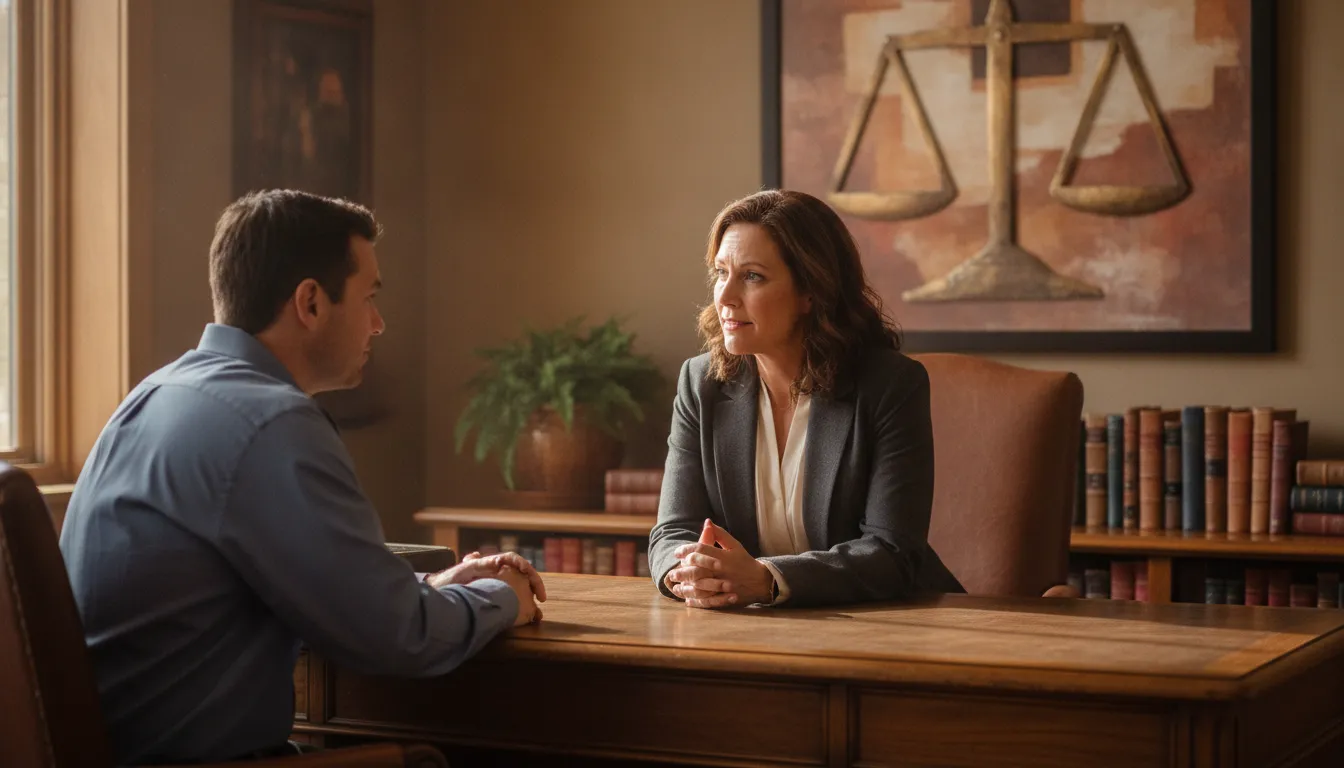
Facing a criminal charge can make every decision feel urgent. Choosing your lawyer deserves more than a quick search and a promising slogan. You need someone who understands Virginia courts, explains your options plainly, and gives you room to speak honestly about what happened.
Contact Letsen Law Firm to schedule your initial case consultation
The right criminal defense lawyer Virginia residents choose should bring relevant court experience and a clear understanding of how prosecutors build cases. Direct communication, clear fee discussions, and a working relationship you can trust matter too. Former prosecutorial experience can add useful perspective, but personal fit and honest legal analysis matter just as much.
Start by looking beyond credentials alone. Consider whether the lawyer regularly handles charges like yours, knows the courts involved, and can explain a practical plan without promising a particular result. Those questions provide a stronger basis for evaluating experience, perspective, communication, and cost.
How a Criminal Defense Lawyer Virginia Residents Trust Evaluates Your Case
A long list of practice areas does not tell you whether a lawyer is the right fit for your situation. Ask whether the attorney regularly handles the type of matter you are facing, whether it is a misdemeanor, felony, or a charge with specialized consequences such as DUI. You can review Letsen Law Firm's criminal defense services before scheduling a consultation.
Charge-specific experience matters because criminal cases can turn on details that are easy to overlook when a lawyer does not routinely work in that area. A useful first conversation should address the charge itself, immediate deadlines, the information the lawyer needs, and the decisions you may face. You should leave with a clearer understanding of the next steps, even though no responsible lawyer can predict the outcome before reviewing the facts.
If the allegation involves a specific area, ask about that experience directly. For example, someone facing an assault allegation can review the firm's assault and battery defense information and then ask how the lawyer would evaluate the facts of the individual case. A person dealing with an aggravated allegation can ask whether the attorney handles the additional legal issues that may come with a felony charge.

A focused consultation should give you space to explain your situation and ask practical questions.
Look for Virginia and local court familiarity
State law and local court practice both matter. Ask whether the lawyer is familiar with the courts and procedures connected to your case. The Virginia Indigent Defense Commission establishes qualification requirements and practice standards for attorneys serving as court-appointed counsel, and it develops training for attorneys seeking or maintaining that eligibility. Those standards are one part of evaluating counsel. You should also consider whether the attorney has practical experience in the Virginia communities where your case will be handled.
Expect an honest assessment
Good counsel should discuss both the strengths and weaknesses of your position. Be cautious of anyone who promises a particular result before learning the facts. A trustworthy lawyer will explain what is known, what remains uncertain, and what information could change the analysis. That conversation should be direct without being dismissive. You deserve legal advice that takes your situation seriously and treats you with respect.
Consider fit, not ratings alone
Online reviews and professional recognition may help you build a list of lawyers, but they cannot decide who is right for your case. You need to feel comfortable sharing facts honestly and completely. Ask how the lawyer explains strategy, how you will communicate, and who will be responsible for your representation. Trust and understanding are practical parts of the attorney-client relationship, not extras.
| Factor | Question to ask | Why it matters |
|---|---|---|
| Relevant experience | Do you regularly handle my type of charge? | Experience should match the issues in your case. |
| Virginia court familiarity | Have you handled matters in the court involved? | Local knowledge can make preparation clearer. |
| Communication | How will I receive updates and answers? | You need a reliable way to stay informed. |
| Fees | What does the representation include? | Clear terms reduce confusion. |
| Fit | Can I speak openly with this lawyer? | Candid communication supports a careful case review. |
Why Does Virginia Court Experience Matter?
Criminal cases are shaped by Virginia law, but they also move through local court systems with their own procedures, schedules, and working relationships. That is why experience in Virginia courts can matter when you are evaluating a defense lawyer. A lawyer who understands the state's criminal process can help you recognize what needs attention and what questions to ask before making a decision about your case.
Local familiarity does not mean that any result is guaranteed. It means the lawyer has practical experience with the setting in which your case will be handled. That may help with understanding filing requirements, preparing for hearings, communicating with the relevant people, and explaining what to expect at each stage. These details can be difficult to manage when you are already worried about your job, family, license, freedom, or reputation.
Ask about experience with your type of case
Virginia court experience should be specific enough to be useful. When you speak with a potential attorney, ask whether they regularly handle the type of charge you are facing and whether they have represented clients in the courts relevant to your situation. A lawyer may have substantial legal experience but limited experience with a particular kind of criminal defense. You deserve a clear answer rather than a broad claim that does not tell you how the lawyer can help.
It is also reasonable to ask how the attorney will evaluate the facts, evidence, and procedural posture of your case. A dependable lawyer should be willing to discuss both strengths and weaknesses honestly. You do not need a promise of a particular outcome. You need a careful assessment and a plan for addressing the issues that may affect your defense.
Virginia standards are part of the picture
Virginia has formal qualification and practice standards for attorneys who handle court-appointed criminal defense cases. The Virginia Indigent Defense Commission establishes eligibility requirements, official practice standards, and training requirements for attorneys seeking or maintaining that eligibility. Those standards are especially relevant to appointed counsel. They also illustrate why training, preparation, and professional standards matter in criminal defense generally.
If your matter involves a traffic or license issue, you can also review traffic and reckless driving defense information when deciding what questions to raise.
How Can a Former Prosecutor Help Build a Defense?
A former prosecutor brings a different view of a criminal case. That perspective does not replace careful investigation, legal research, or listening to the client. It can help a defense lawyer ask sharper questions about how the state may evaluate the evidence and decide what to pursue.
Michael J. Letsen served as a prosecutor in Buchanan County. That experience gave him firsthand exposure to the way the Commonwealth approaches criminal cases. He understands that the state's position is built from reports, witness accounts, physical evidence, charging decisions, and legal issues prosecutors believe they can prove. In a defense consultation, that background can help frame a practical discussion about what needs to be examined next.
See the case from both sides
When reviewing a charge, a former prosecutor may recognize issues that deserve closer attention. The defense may need to ask whether an accusation is supported by consistent evidence, whether a witness's account raises unanswered questions, and whether the available facts fit the charged offense. The point is not to assume that the state's case is weak. The point is to test the case carefully rather than accept the charging paperwork as the complete story.
That perspective can also help a lawyer anticipate questions the prosecution may raise. It may inform discussions about evidence, procedure, negotiation, and the choices available as the case develops. Every case is different, however. Prior prosecutorial experience cannot predict what a particular judge, prosecutor, witness, or set of facts will do. It is an informed perspective, not a promise of a result.
Ask how the experience relates to your case
If you are comparing a former prosecutor defense lawyer with other options, ask how that experience relates to the charges you face. Ask what facts would matter most in an initial review, what information the lawyer needs from you, and how the lawyer will explain the strengths and risks of different paths. You should receive honest legal analysis, not pressure or a guarantee.
A strong attorney-client relationship still depends on complete and candid communication. Tell your lawyer what happened, including facts that may feel uncomfortable or unhelpful. With a clear understanding of the circumstances, a criminal defense lawyer in Virginia can evaluate the available information and help you make informed decisions about your defense.
What Should You Ask About Communication and Case Fit?
A strong attorney-client relationship depends on more than credentials or online ratings. You should feel able to speak openly with the lawyer, ask questions, and understand what is happening in your case. The American Bar Association identifies comfort sharing the facts honestly and completely as an important part of choosing counsel. That matters in criminal defense because your attorney can only analyze the situation accurately when the conversation is candid.
During an initial conversation, consider asking:
- How will we communicate? Ask whether you will primarily use phone calls, email, a client portal, or another method. Clarify how to send documents and what to do if you have an urgent question.
- Who will explain important developments? In a solo practice, you may value a direct relationship with the attorney handling your matter. If other staff members assist, ask how information will reach the lawyer and how decisions will be discussed.
- How will I receive case updates? Ask what events will prompt an update and how you will be told about hearings, offers, deadlines, or changes in strategy. You should not have to guess whether something important has happened.
- How do you explain strategy and legal choices? A lawyer should describe options, risks, and next steps in plain language. You do not need to understand every legal term on the first call, but you should leave with a clearer picture of the process.
- How will my goals shape decisions? Criminal defense decisions involve the client's goals and understanding. Ask how the attorney will learn what matters most to you and how you will participate in decisions about the direction of the case.
- What information do you need from me? Be prepared to discuss the facts, including details that may feel uncomfortable or unhelpful. A non-judgmental conversation makes it easier to provide a complete account.
Fit is personal. A polished website, a high rating, or someone else's recommendation cannot determine whether a particular lawyer is right for you. Pay attention to whether the lawyer listens, answers directly, explains uncertainty honestly, and treats you with respect.
Letsen Law Firm focuses on honest legal analysis, reliable representation, and compassionate counsel. If you are looking for an experienced criminal defense lawyer in Virginia, a conversation can help you decide whether the communication style and approach fit your needs. You can review the firm's DUI and DWI defense information if that is the type of charge you are facing.
Contact Letsen Law Firm to schedule an initial case consultation
How Should You Discuss Legal Fees?
Legal fees should be discussed plainly during the initial conversation, before either side makes assumptions about the working relationship. Ask what the fee covers, which services are included, and whether additional expenses could arise as the case develops. You should also ask how updates about fees will be handled if the scope of the work changes. Clear written terms help prevent important questions from being left vague.
Criminal defense pricing is case-dependent. The nature of the charge, the current stage of the case, and the amount of investigation required can affect the work involved. Expected court work and other circumstances also matter. A responsible attorney should learn enough about your situation to explain the factors involved. A number offered without understanding the facts may sound reassuring, but it may not tell you what representation will actually involve.
Questions to ask about fees and expenses
- What work is included in the proposed representation?
- What expenses might be separate from the legal fee?
- What developments could change the scope of the work?
- How will I be informed if additional work or expenses become necessary?
- What should I bring or explain so you can assess the case accurately?
These questions are not confrontational. They help you understand the arrangement and give the attorney the information needed to evaluate your case. Be direct about your concerns, including financial limits, so the conversation is useful for both sides.
Just as important, pay attention to the quality of the legal analysis. Letsen Law Firm emphasizes honest legal analysis, reliable representation, and compassionate counsel. The conversation should address the strengths and weaknesses of your situation, the next decisions you may face, and the uncertainties that cannot responsibly be resolved before the facts are reviewed. A criminal defense lawyer in Virginia should not promise a particular result simply to secure your case.
Is a Local Solo Firm the Right Fit for Your Case?
Location and firm structure can shape your experience as much as a lawyer's credentials. If your case is in Southwest Virginia, a local attorney may already understand the communities, courts, and practical concerns that affect your situation. That does not replace a careful review of experience, but it can make communication and preparation more direct.
Letsen Law Firm has offices in Abingdon and Tazewell. The firm serves Southwest Virginia communities including Washington County, Tazewell County, Bristol, Smyth County, Russell County, Buchanan County, Marion, and nearby areas. This is a regional practice, not a firm claiming to serve every location in Virginia. Ask whether the lawyer regularly handles cases in the area where your matter will proceed and whether the office can provide the communication your case requires. You can review the firm's contact information and office details before deciding how to begin the conversation.
What direct representation can mean
A solo practice may be a good fit if you want a direct attorney-client relationship. You should know who is evaluating the facts, discussing strategy, and appearing for you. That relationship can make it easier to share sensitive information honestly. Ask the lawyer questions about the working relationship and the decisions you may need to make.
The tradeoff is that a solo firm has a different structure from a large practice. You may prefer a larger team if your needs require many lawyers or extensive administrative resources. You may prefer a solo attorney if personal attention, continuity, and a clear line of communication matter most. The right choice depends on your case and expectations, not on a firm label alone.
Check credentials and charge-specific experience
Credentials give you facts to verify, while experience with your specific charge helps you judge fit. Letsen Law Firm's listed credentials include more than 17 years of experience, admission to the Virginia and DC Bars, and Top 100 criminal defense recognition from 2015 through 2022. Those details should support a conversation, not serve as a promise about your outcome.
Ask how the lawyer's background relates to the allegation you are facing. For example, someone seeking DUI defense representation should ask about the attorney's experience with DUI-related cases and the issues those cases can involve. A useful first conversation should leave you with an honest analysis of your situation, a clearer understanding of next steps, and a sense of whether you can work comfortably with the lawyer.
If an accident or injury is part of the situation rather than a criminal charge, review the firm's personal injury representation information so you can discuss the right type of legal help. A lawyer should be candid when a different practice area or professional resource is more appropriate.
- Confirm the lawyer handles your type of charge.
- Ask how communication and updates will work.
- Discuss the fee scope and any separate expenses.
- Ask who will personally handle the important decisions and court work.
Frequently Asked Questions
How do I know whether a Virginia criminal defense lawyer has relevant experience?
Ask whether the lawyer handles your type of charge and has experience in the relevant Virginia court. A careful answer helps you evaluate fit. Relevant experience matters more than a broad list of practice areas.
What is the value of hiring a former prosecutor for a criminal case?
A former prosecutor has seen how the state evaluates evidence and prepares charges. That perspective can help defense counsel identify questions about reports, witness accounts, charging decisions, and the evidence the Commonwealth may rely on. It does not guarantee a result. It can add context to case analysis.
What should I ask a lawyer about communication?
Ask how you will receive updates, who will answer questions, how documents should be sent, and what will happen when a hearing, deadline, or significant case development arises. You should also ask who will be responsible for your representation. Clear answers can help you decide whether the lawyer's communication style fits your needs.
How should I discuss fees during an initial consultation?
Ask what the proposed fee covers and which expenses may be separate. Ask when payments are due and whether the agreement will be provided in writing. Fees depend on the facts, charge, and work required in each case. A responsible lawyer should explain the factors involved rather than offer an unsupported one-size-fits-all price.
Call Letsen Law Firm to schedule your initial case consultation
Contact Letsen Law Firm About Your Case
Choosing a criminal defense lawyer is an important decision. An initial conversation can help you understand your options, ask practical questions, and decide whether the fit feels right. You can discuss your circumstances directly and receive a straightforward assessment.
Call Letsen Law Firm to schedule your initial case consultation