
Drug Possession Defense Attorney
By The Letsen Law Firm
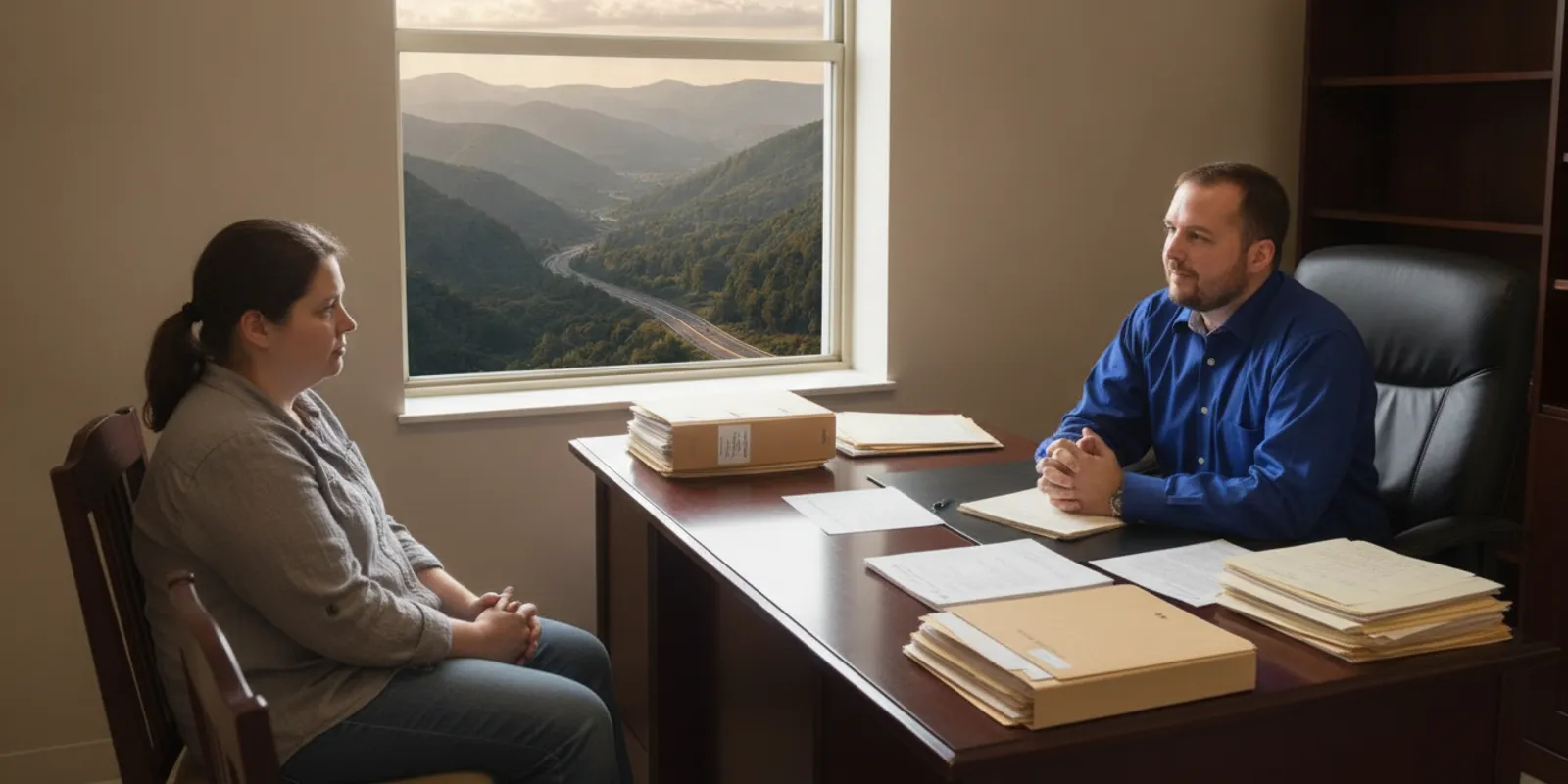
One mistake should not define your future. If you are looking for a drug possession defense attorney in Southwest Virginia, consider getting legal advice promptly after an arrest, a search, or notice of a charge. Early guidance can help you understand what is happening and avoid decisions made under pressure.
When should you contact a drug possession defense attorney?
Contact an attorney as soon as you learn that you are being investigated or charged. You do not need to wait for a court date, and you do not have to determine on your own whether the police acted lawfully. A lawyer can review the available information, explain the process, and help you understand what questions need answers.
Timing matters because evidence and records can be easier to identify while events are fresh. Write down what you remember about the stop, search, questioning, and arrest. Keep any citation, release paperwork, court notice, or other document you received. Do not alter or destroy anything that could relate to the case.
If you are facing a charge in the region, review the firm’s drug charge defense information and its broader criminal defense overview.
What should you do after an arrest or drug possession citation?
Take practical steps while protecting your rights and avoiding guesses about the case:
- Keep your paperwork. Save the summons, bond or release documents, property receipts, and any court information. Note deadlines and appearances.
- Record your recollection. As soon as you can, write down where the encounter began, who was present, what was said, and when searches or questioning occurred. Separate what you personally remember from what someone else told you.
- Preserve relevant material. Keep messages, photographs, receipts, or other records that may establish timing, location, or ownership. Do not edit or delete them.
- Avoid discussing the facts publicly. Social posts or casual conversations can be misunderstood or shared. Ask counsel how to handle communications about the charge.
- Do not miss court. Read notices carefully and confirm where and when you must appear. If a date or requirement is unclear, seek legal guidance promptly.
- Speak with a lawyer before making major case decisions. Do not assume that a quick explanation, plea, or agreement is harmless. Ask what it means for your particular situation.
These steps do not guarantee a particular result. They help you keep information organized so an attorney can evaluate the circumstances.
What can an attorney examine in a Virginia possession case?
Each case turns on its own facts. A defense review may consider how officers encountered you, why a stop or search occurred, what was found, and how the prosecution connects the item to you. The attorney may also ask what statements were made and whether the evidence was collected and documented consistently.
Possession is not always established merely because an item was found nearby. The relevant facts can include who had access to the place where it was found, whether it was visible, and what other evidence exists. Do not treat any one fact as decisive; a lawyer must assess the full record and applicable law.
Michael Letsen’s former prosecutor experience informs his understanding of how the state builds a criminal case. That background may help him identify questions to investigate, but it does not predict or guarantee an outcome. Learn more about Michael Letsen’s background.
What happens after a Virginia drug possession charge?
The path depends on the charge, the court, and the facts. Court paperwork should identify an appearance or other required response. At an initial meeting, bring your documents and ask what stage the case is in, what deadlines apply, and what information counsel needs to assess the evidence.
Do not rely on a general online description to determine the exact charge or possible consequences. The statute cited, prior history if relevant, substance alleged, and circumstances can affect the legal analysis. The current Virginia law should be checked against the official code and the facts of the individual case. The Virginia Code provision on possession of controlled substances is a primary legal source; it is not a substitute for advice about a specific case.
It can help to organize questions by stage rather than trying to predict the whole case at once. First, establish the next court date or response deadline. Next, ask what charging document and police records are available, and whether additional records need to be requested. Then discuss what counsel can assess now and what depends on later evidence. This sequence keeps the immediate obligations separate from the longer-term legal analysis.
If you have received more than one paper, compare the dates and case identifiers rather than assuming they describe separate proceedings or the same deadline. Keep the originals together, make copies for your own files, and note who provided each document and when. If paperwork appears inconsistent, do not decide which notice to ignore; ask counsel or the court clerk about the procedural information, without discussing the facts of the case with court staff.
How can you compare defense attorneys?
Use an initial conversation to understand the attorney’s approach, communication, and experience with criminal matters. You can ask direct questions without expecting a promised result. Consider whether the attorney listens carefully, explains uncertainty plainly, and identifies the next steps needed to review your case.
| Question to ask | What a useful answer should clarify |
|---|---|
| Who will handle my case? | Whether you will work directly with the attorney and who will appear in court. |
| What records should I bring? | Which notices, reports, messages, or other materials may help begin the review. |
| How will you assess the search and evidence? | What facts and legal issues require investigation, without assuming an outcome. |
| What deadlines or appearances are next? | The immediate obligations and how to confirm them. |
| How will we communicate? | How to share updates and what response process to expect. |
A careful answer should distinguish known facts from issues that still need investigation. Ask what information is missing and whether counsel needs time to review records before offering an assessment. It is reasonable to ask how you will receive updates, how to send documents securely, and whom to contact if a court notice arrives. Clear communication at the start can prevent confusion later.
Letsen Law Firm is a solo practice with offices in Abingdon and Tazewell serving Southwest Virginia communities. Its approach is grounded in honest legal analysis, reliable representation, and compassionate counsel. You can also review the firm’s frequently asked questions before reaching out.
What should you bring to an initial consultation?
Bring what you have, even if you are not sure whether every item matters. A useful starting file may include:
- All court, citation, bond, and release documents.
- A clear timeline of the stop, search, questioning, and arrest.
- The names and contact information of witnesses, if known.
- Relevant messages, photographs, receipts, or other records.
- A list of your questions and any dates you need to confirm.
- Any notes about where items were found, who had access to the location, and who was present.
For example, if an item was found in a shared vehicle or residence, write down who used the space and what you personally observed. Do not ask anyone to coordinate accounts or change a record. Keep the distinction between your own memory and information learned later. If you cannot obtain a report or other record yourself, simply note that it may exist and ask the attorney whether it should be requested.
Be candid with your lawyer. Details that seem unimportant to you may help counsel understand the sequence of events. If you are unsure whether something matters, preserve it and ask. Avoid bringing materials that belong to someone else without first considering privacy and asking how counsel wants them handled.
What questions should you ask before making a decision?
You do not have to know legal terminology to have a productive first conversation. Describe what happened in your own words, then ask for clarification whenever an answer is unclear. These questions can help you understand the work ahead:
- What is the exact charge shown on the paperwork, and what should I verify?
- What immediate court obligations or deadlines should I calendar?
- What information is currently available, and what records may still need review?
- What facts about the stop, search, statements, or location of the alleged substance are important?
- What should I do if I receive another notice or a request to provide information?
- How will you explain options and uncertainties as the case develops?
These are questions, not a checklist that predicts a defense or result. An attorney may need to review records and learn more before answering some of them. Be wary of anyone who claims to know the outcome before examining the case. An honest discussion should make clear what is known, what remains uncertain, and what the next step is.
When may it help to speak with a Southwest Virginia lawyer?
Local court procedures and the specific facts of a case matter. Letsen Law Firm handles criminal defense matters in Southwest Virginia, including communities around Abingdon and Tazewell. If you are not sure whether the firm handles a matter in your court, ask when you contact the office.
For a related overview of court stages, see how the criminal court process works. If your concern involves a traffic stop or driving-related matter as well, the firm also explains its reckless driving defense work.
Geography can matter because a charge is tied to a particular court and locality. Letsen Law Firm serves cases in Buchanan, Russell, Smyth, Tazewell, and Washington Counties, as well as the City of Bristol. When you call, be prepared to identify where the charge is pending and the next date listed on your paperwork. That allows the office to determine whether the matter falls within the firm’s scope and what information may be useful to discuss.
Do not delay a call because you have not gathered every document or because you are uncertain how to describe the encounter. You can explain what you know, say what you do not know, and ask what to bring next. Promptly confirming a court date and getting advice about how to handle communications can be more useful than spending time trying to resolve legal questions alone. The details still matter, and a lawyer must assess the specific facts before advising you.
Put my experience on your side
Frequently asked questions
Should I talk to police about the charge?
You can remain calm and avoid guessing or trying to explain facts under pressure. Ask to speak with an attorney about your situation before answering substantive questions. The right steps depend on the circumstances.
Does a drug possession charge mean I will be convicted?
No. A charge is an allegation, not a finding of guilt. The evidence and applicable law must be evaluated, and no attorney can promise a particular outcome.
Can an attorney tell me exactly what will happen?
An attorney can explain possible procedures and assess evidence as it becomes available, but the result depends on the facts, law, and decisions made in the case. Be wary of guarantees.
What if I live outside Southwest Virginia?
Contact the office to explain where the charge is pending and ask whether the firm can assist. The location of the court and the details of the matter determine whether representation is appropriate.
Talk through your next step
A drug possession charge can raise urgent questions, but you do not have to sort through the paperwork alone. Contact Letsen Law Firm to discuss the charge and learn what information may help with an initial review. Each case is unique, and results depend on a variety of factors.
Before a first conversation, take a few minutes to prepare a short timeline rather than a polished account. Note approximate times, places, people present, and when you first learned about the charge. Mark details you are unsure of as uncertain instead of filling gaps from memory. This makes it easier to distinguish what you directly observed from assumptions or information you heard later.
Also think through the practical questions that affect the next days. Do you have a scheduled appearance? Are there conditions in release paperwork that you need to follow? Has anyone asked you to provide a statement or sign a document? These are useful points to raise promptly. Do not ignore a deadline while waiting for a complete file; identify what is urgent and ask how to address it.
Keep any communications about the case calm and limited. Avoid posting details online, sending messages that speculate about evidence, or asking another person to explain events for you. If someone contacts you about the matter, record who it was and when, and ask your lawyer how to respond. The goal is not to hide information, but to avoid creating confusion while counsel learns the facts.
When reviewing choices with counsel, ask for the reasoning behind each proposed next step, what information supports it, and what remains unknown. You may not receive a definite answer immediately, especially before reports and other materials are available. A useful discussion can still clarify the immediate plan, the information needed to reassess, and when you should check in again.
For many people, uncertainty is hardest at the start, when the charge is new and paperwork is unfamiliar. Break the problem into manageable parts: protect your court obligations, preserve records, get advice, and make informed decisions one at a time. A respectful conversation can help you understand the process without judgment, while leaving room for the facts and law to determine what comes next.
Each case is unique, and results depend on a variety of factors. Contact Letsen Law Firm to discuss your situation and ask what the next step may be.