
First Time Offender Virginia Criminal Charge Guide
By The Letsen Law Firm
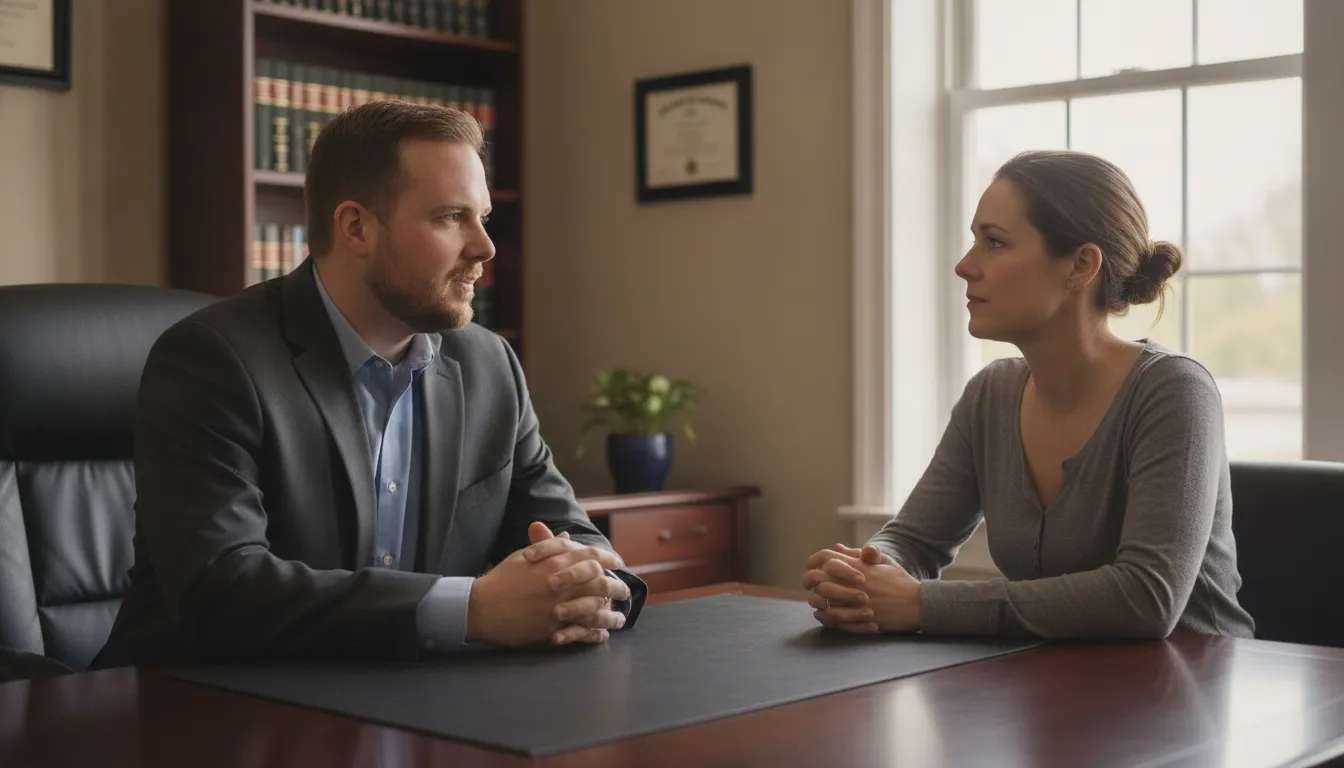
A first criminal charge can feel bigger than the paperwork in front of you. You may be worried about jail, work, your family, and what happens next. Being accused does not mean you are guilty, but it does mean the charge deserves prompt, careful attention.
The phrase first time offender virginia criminal charge does not describe one automatic outcome. First-time status may matter, but the possible path depends on the alleged offense, charge level, evidence, prior record, and the court.
Some cases may be resolved through negotiation or another lawful court process. Others may require trial or sentencing. No result is guaranteed.
Virginia law treats misdemeanors and felonies differently, and even charges within those categories can carry different consequences. Understanding how the law defines a first offense is the right place to begin, especially before making decisions about a plea or court appearance.
If you are facing a charge in Abingdon, Tazewell, Bristol, or elsewhere in Southwest Virginia, criminal defense in Southwest Virginia can help you understand the process and your next steps.
What Should a First-Time Offender Know About a Virginia Criminal Charge?
In practical terms, a first offense usually means the person has not previously been convicted of a similar or other criminal offense. That history can matter when a prosecutor and court evaluate the case. It does not, however, make the new charge disappear. A person facing a first time offender virginia criminal charge still has to address the accusation, court dates, evidence, and possible penalties.
The charge itself is classified under Virginia law. Virginia separates criminal offenses into misdemeanors and felonies, with the classification affecting the range of possible consequences. Virginia law defines felonies as offenses punishable by confinement in a state correctional facility. Other criminal offenses are misdemeanors. Traffic infractions are treated separately and are not criminal in nature under the cited statute. Read the Virginia Code definition of felonies and misdemeanors.
Misdemeanor classifications
| Virginia charge class | General statutory maximum |
|---|---|
| Class 1 misdemeanor | Up to 12 months in jail; fine up to $2,500 |
| Class 2 misdemeanor | Up to six months in jail; fine up to $1,000 |
| Class 3 misdemeanor | Fine up to $500 |
| Class 4 misdemeanor | Fine up to $250 |
Virginia has four misdemeanor classes, from Class 1 through Class 4. A Class 1 misdemeanor can carry up to 12 months in jail and a fine of up to $2,500. A Class 2 misdemeanor can carry up to six months in jail and a fine of up to $1,000. Class 3 and Class 4 misdemeanors carry fines of up to $500 and $250, respectively, under the general punishment statute. These are statutory maximums, not predictions of what will happen in a particular case.
- The charge level is only one part of the analysis.
- The specific allegations, available evidence, and alleged harm can affect the case.
- A person's prior record, even when limited, may be relevant.
- Court procedures and deadlines still apply to a first charge.
Felony classifications
Virginia classifies felonies into six classes, from Class 1 through Class 6. Some Class 5 and Class 6 offenses may be treated as either a felony or a misdemeanor depending on the circumstances and how the case proceeds. That distinction can be significant, so the label on the warrant or summons should be reviewed carefully rather than assumed to tell the whole story. The Virginia Code provides the felony and misdemeanor classifications in Section 18.2-9.
First-time status may be one fact considered in the case. But it is not a defense by itself and does not guarantee dismissal, reduced charges, or avoidance of a conviction. The outcome depends on the particular offense, evidence, legal issues, and court. If you are charged in Southwest Virginia, prompt Virginia criminal defense representation can help you understand what the charge means and what deadlines require attention.
Will I Go to Jail for a First-Time Misdemeanor in Virginia?
Q: Will a first-time misdemeanor automatically send me to jail in Virginia?
A: No. A first misdemeanor does not produce an automatic jail sentence. However, first-time status is only one part of the analysis. The specific charge, its classification, the facts alleged, the available evidence, your record, and the court's decision can all affect what happens next. No one can responsibly promise leniency based only on the fact that this is your first criminal charge.
Virginia divides misdemeanors into four classes. The possible consequences differ by class. For example, a Class 1 misdemeanor may carry up to 12 months in jail and a fine of up to $2,500. A Class 2 misdemeanor may carry up to six months in jail and a fine of up to $1,000. Those are statutory maximums, not predictions of what will happen in your case. See Virginia's misdemeanor punishment statute.
Other misdemeanor classes may carry fines rather than the same potential jail exposure, but the charge on your summons or warrant needs to be reviewed carefully. A charge can also involve consequences beyond jail, including court conditions, fines, restrictions, and effects on work or family responsibilities. The practical impact depends on the full circumstances, not just the label "first offense."
What factors can affect the outcome?
- The charge and class: A Class 1 misdemeanor is treated differently from a Class 3 or Class 4 misdemeanor, and some allegations may be charged under more than one possible statute.
- The facts alleged: The court may consider what the Commonwealth claims happened, whether anyone was injured, whether property was involved, and other case-specific details.
- The evidence: Witness accounts, statements, physical evidence, video, and police procedure can affect how the case is evaluated.
- Your record: A genuinely clean record may matter, but the court and prosecutor may still examine prior convictions, pending matters, or other relevant history.
- Your court obligations: Missing a court date or failing to follow an order can create additional problems, so read every document and address deadlines promptly.
If you are facing a first time offender Virginia criminal charge, do not assume the case will disappear and do not assume jail is inevitable. A Virginia criminal defense attorney can review the exact charge, explain the possible paths, and help you understand what deadlines and decisions require attention. That review is educational and fact-dependent, not a guarantee of a particular result.
What Can Courts Do After a First Criminal Charge?
A first criminal charge in Virginia can move through several different paths. First-time status may matter, but it does not erase the charge or guarantee a particular result. The possible outcome depends on the offense, charge level, evidence, prior record, and the circumstances known to the court and prosecutor.
Depending on the facts, a case may be dismissed, reduced to a less serious charge, resolved through an agreement, or set for trial. If there is a conviction or guilty plea, the court then addresses sentencing. These are possibilities, not promises. A person facing a first time offender Virginia criminal charge should understand the options before making decisions that may affect the rest of the case.
Possible paths through the court system
- Dismissal: The prosecution may be unable to proceed, or the case may be dismissed for a legal or evidentiary reason. Whether dismissal is available depends on the record and the specific issues in the case.
- Charge reduction: In some cases, the charge may be amended or reduced. A lower charge can involve different penalties and consequences, but the terms must be evaluated carefully.
- Negotiated resolution: The defense and prosecution may discuss a plea or other resolution. Any agreement should be understood fully before it is accepted, including the effect of the plea and any conditions imposed.
- Trial: If the case is not resolved, it may proceed to trial. The prosecution must present its evidence, and the defense can challenge the allegations under the rules that govern the proceeding.
- Sentencing: If a person is found guilty or enters a plea that results in a conviction, the court determines the sentence permitted by the charge and applicable law. A first record does not make sentencing automatic.
What to do after learning about the charge
- Read the charging paperwork. Identify the exact offense, court, hearing date, and any release conditions. Virginia distinguishes between felony and misdemeanor classifications, and the classification can affect the seriousness of the case.
- Protect the deadlines. Do not miss a court appearance, required check-in, or other condition. Keep copies of every document and write down questions while the details are fresh.
- Avoid discussing the facts publicly. Do not post about the allegation or assume that informal conversations cannot be used against you. Do not contact an alleged victim or witness about the case without legal guidance.
- Get case-specific advice promptly. A Virginia criminal defense attorney can review the charge, evidence, procedural history, and available options before you decide how to respond. Letsen Law Firm represents clients through arrest, preliminary hearings, pretrial negotiations, trial proceedings, sentencing, and appeals. Learn more about the Virginia criminal court process and Virginia criminal defense representation.
In Southwest Virginia, local court procedures and practical deadlines can matter alongside the underlying facts. The goal is not to predict an outcome, but to make informed decisions with a clear understanding of the charge and the available defense strategy.
What Is Deferred Disposition and Who May Qualify?
Virginia law provides a narrow deferred-proceedings option for some people facing a first property-related misdemeanor. It is not a universal first-offender diversion program, and it does not apply automatically to every criminal charge. Whether it is available depends on the statute, the charge, the person's record, and the court's decision.
Under Virginia Code Section 19.2-303.2, a person may be considered if they have not previously been convicted of a felony and are charged with a qualifying misdemeanor crime against property. The statute identifies specific property-related offenses and also lists exclusions. That means the label "first offense" by itself is not enough. A first charge involving violence, impaired driving, or another category outside the statute should not be assumed to qualify.
Court consent and probation terms matter
If the statutory requirements are met, the person may enter a plea, and the court may defer further proceedings without immediately entering a judgment of guilt. The court must consent, and the accused must consent as well. This is not an entitlement that a defendant can claim simply by asking for it.
The court can place the person on probation with terms and conditions. Those conditions may include restitution for losses caused by the alleged conduct, along with other requirements set by the court. The exact terms, deadlines, and proof of compliance matter. A person considering this option should understand every condition before agreeing to it. Because an otherwise manageable opportunity can become more serious if a term is misunderstood or missed.
What happens after successful completion?
When the terms and conditions are fulfilled, the statute says the court shall discharge the person and dismiss the proceedings. The discharge and dismissal occur without an adjudication of guilt under this section. That potential result is different from treating every first charge as though it will simply disappear. It depends on eligibility, court approval, and successful completion of the required conditions.
A violation carries a different risk. If the person violates a probation term or condition, the court may enter an adjudication of guilt and proceed with the case as otherwise provided. Before accepting a deferred disposition, it is important to evaluate the charge, the statutory fit, the proposed conditions, and the consequences of a violation. A careful review can help distinguish a potentially available statutory path from an assumption that Virginia law guarantees a dismissal.
Can a First-Time Conviction Affect Your Employment?
A first-time Virginia criminal charge can raise understandable concerns about work, professional licenses, and future opportunities. The answer depends on what happened in court, not simply on the fact that someone was accused. An accusation, a pending charge, a dismissal, a conviction, and another court outcome are different events with different practical consequences.
Employers and licensing bodies may ask about criminal matters in different ways. The relevant issues can include the specific offense, whether it was a misdemeanor or felony, the final disposition, the duties involved, and the rules governing a particular profession. A first-time charge does not automatically determine what an employer will do, and it does not guarantee that there will be no employment concern.
Why the court outcome matters
A pending case may appear differently from a conviction, while a dismissal or other resolution may raise different questions again. Even the word "conviction" should be used carefully. It generally refers to a finding of guilt, while an arrest or charge is an allegation that still must be addressed in court. Virginia law classifies misdemeanors and felonies separately, and that classification can affect how a matter is viewed. See the Virginia Code's classification provisions for the legal framework: Virginia offense classifications.
Do not assume that a first charge is harmless, but do not assume it ends your career, either. The record, evidence, charge level, court disposition, and employer or licensing context all matter. The safest way to evaluate the concern is to review the actual paperwork and deadlines with a Virginia criminal defense attorney before answering questions or making decisions that could affect your job.
Question and answer
Can a first-time criminal charge affect my job in Virginia?
A charge may create practical employment or licensing concerns, but the effect depends on the offense. Case status, final court outcome, record, and the employer or licensing rules involved. A charge is not the same as a conviction.
Should I tell my employer about a pending charge?
There is no single answer for every situation. Review your workplace policies, application language, professional rules, and the exact status of your case. A lawyer can help you understand the question before you respond, without promising a particular employment result.
Why Does Having an Attorney Matter More on a First Offense?
A first criminal charge can feel like a mistake that should be easy to explain and quickly put behind you. The legal system does not always treat it that simply. The charge level, allegations, evidence, court deadlines, and your prior record can all affect what happens next. Virginia classifies misdemeanors and felonies by level, and even a first charge may carry consequences that affect your work, driving privileges, family responsibilities, or future decisions.
An attorney can first make sure you understand what you are actually facing. That includes reviewing the wording of the charge, the evidence supporting it, and whether the prosecution must prove particular facts. It also means identifying court dates, filing deadlines, notice requirements, and other procedural details. Missing a deadline or making an uninformed statement can make an already stressful situation harder to manage.
Experience can change how the evidence is evaluated
Michael J. Letsen's former prosecutor experience gives him insight into how prosecutors evaluate evidence, make charging decisions, and approach negotiations. That perspective does not guarantee a result, but it can help him assess weaknesses and risks more realistically. Depending on the facts, possible paths may include seeking dismissal, discussing a charge reduction or negotiated resolution, preparing for trial, or addressing sentencing. The right approach depends on the specific case, not simply on the fact that it is a first offense.
Preparation also matters outside the legal theory. You may need to know where to appear, what documents to bring. How to respond to questions, and what to expect at a preliminary hearing or other court proceeding. Letsen Law Firm represents clients through arrest, preliminary hearings, pretrial negotiations, trials, sentencing, and appeals. Learn more about criminal defense in Southwest Virginia and Virginia criminal defense representation.
For people in Abingdon, Tazewell, Bristol, Washington County, Tazewell County, Smyth County, Russell County, Buchanan County. Or Marion, local counsel can provide guidance grounded in Virginia practice and the regional court process. Speaking with an attorney promptly can help you understand the accusation and protect important deadlines without assuming what the outcome will be.
Frequently Asked Questions
Will I go to jail for a first-time misdemeanor in Virginia?
Not necessarily. A first charge does not guarantee jail, dismissal, or any other result. The possible consequences depend on the offense, charge level, facts, evidence, prior record, and court. For example, Virginia law allows up to 12 months in jail and a $2,500 fine for a Class 1 misdemeanor. While a Class 2 misdemeanor may carry up to six months in jail and a $1,000 fine. Virginia Code Section 18.2-11 lists these maximum penalties.
What can happen after a first criminal charge?
Possible paths include dismissal, a reduced charge, a negotiated resolution, trial, or sentencing after a conviction. First-time status may affect how a prosecutor or court evaluates the case, but it does not erase the allegation or require a particular outcome. The right path depends on the charge and the evidence.
Can a first offender receive deferred proceedings in Virginia?
In limited circumstances, Virginia law allows a qualifying person facing certain property-related misdemeanors to enter probation without an immediate judgment of guilt. Eligibility and exclusions apply. If the person fulfills the court's conditions, including any required restitution, the court can discharge the person and dismiss the proceedings without an adjudication of guilt. A violation can allow the court to adjudicate guilt. See Virginia Code Section 19.2-303.2.
When should I speak with a Virginia criminal defense attorney?
Speak with counsel as soon as you can after learning about the charge. Early review can help you understand the accusation, court deadlines, evidence, and possible resolutions before an important decision is made. A prompt consultation does not guarantee a result, but it gives you a clearer basis for responding to the case.
Ready to Discuss Your First Criminal Charge?
A first charge can raise difficult questions about court, work, family, and what comes next. A private conversation can help you understand the allegations, identify the issues that may affect your case, and consider a practical path forward based on the facts.
Schedule your initial case consultation with Letsen Law Firm