
Personal Injury Attorney in Tazewell County: Fighting for Southwest Virginia Accident Victims
By The Letsen Law Firm
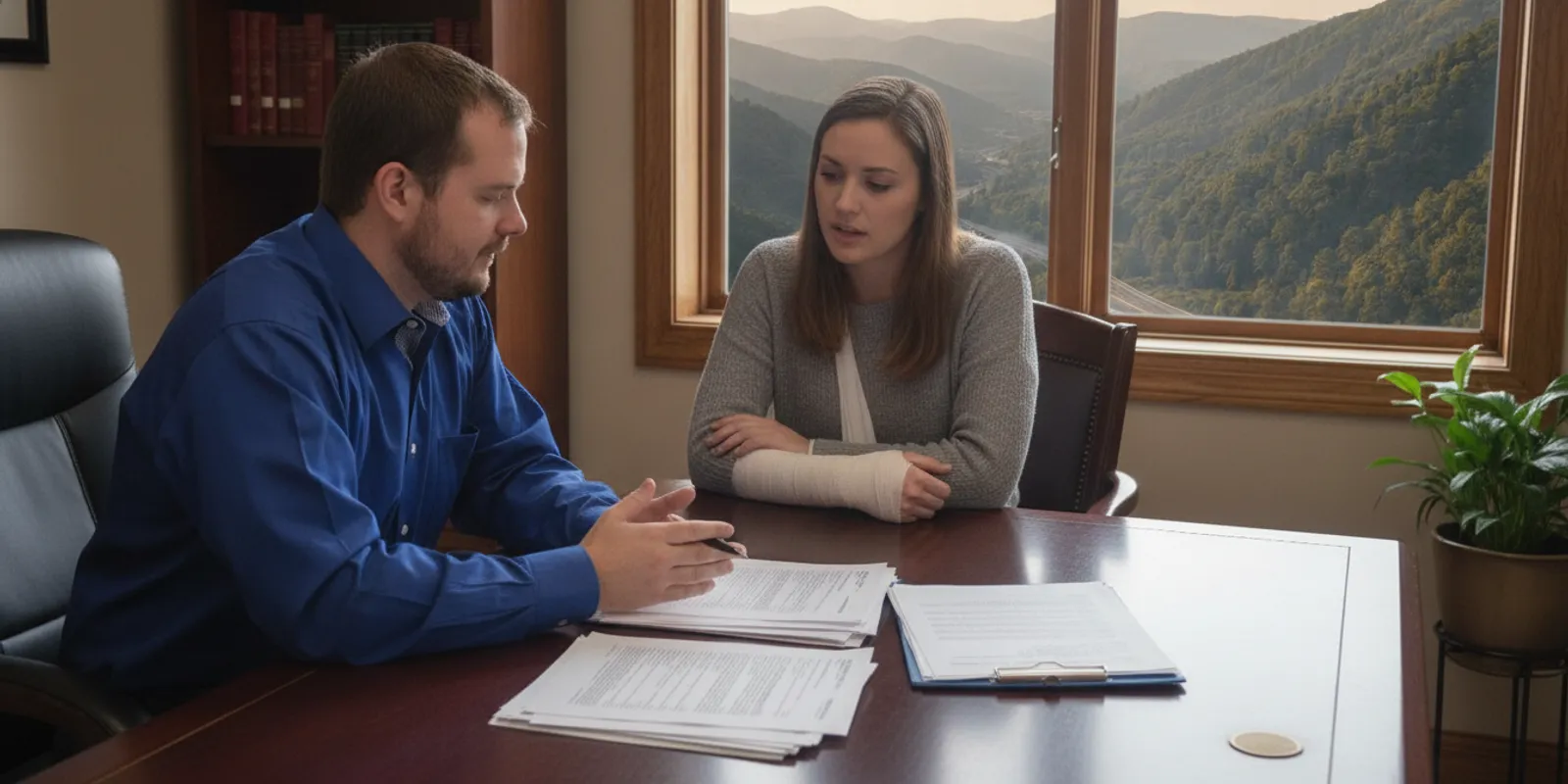
An unexpected crash can leave you managing pain, missed work, vehicle damage, and calls from insurance companies all at once. If you are looking for a personal injury attorney in Tazewell County, Virginia, start by focusing on your health, keeping useful records, and understanding what information may help clarify what happened. You do not have to figure out every decision on the first day. You can also review the firm’s car accident practice information as you consider your options.
Contact the firm to discuss your situation
What should you do after an accident in Tazewell County?
In the hours and days after a collision, practical steps can protect your well-being and help preserve information. Each accident is different, so use these steps as general guidance, not a substitute for advice about your specific circumstances.
- Get medical attention. Call for emergency help if anyone may be seriously hurt. Even when symptoms seem manageable, consider contacting a medical professional. Describe what you are experiencing and follow the care instructions you receive.
- Make sure the scene is safe. Move away from traffic if you can do so safely. Avoid putting yourself or others at risk to retrieve property or take photographs.
- Report the collision as appropriate. Follow instructions from responding authorities and provide accurate information. If a report is made, ask how to obtain a copy or record the report details.
- Exchange and preserve information. If it is safe and appropriate, record the other driver’s name and contact information, vehicle and insurance details, and the names of witnesses. Keep your notes factual.
- Document what you can. Take photographs of vehicles, visible damage, the surrounding roadway, and conditions, if safe. Save receipts, estimates, letters, and messages connected to the crash.
- Keep track of symptoms and care. Write down when symptoms began, how they change, appointments, and questions for your provider. Do not guess or exaggerate. Accurate notes are more useful than trying to reconstruct events much later.
Do not worry if you could not complete every step at the scene. Your health comes first. You can write down what you remember and gather records as you are able. For help understanding the firm’s local injury practice, see its car accident representation information.
When you are ready, make a short list of what you know and what remains uncertain. Separate what you personally saw from what someone else told you. For example, you might write, “I was traveling east and heard a horn before the impact,” rather than guessing at the other driver’s reason for acting. If you cannot remember a detail, mark it as unknown. That simple distinction helps keep your notes accurate.
If another person at the scene took photographs or offered contact information, record how to reach them and what they said, without pressing them to adopt your version of events. Do not edit or annotate original images. If you create a copy for notes, retain the original file and make clear which version contains comments. These steps can preserve useful context without putting your safety or recovery second.
What information can help explain an injury claim?
A claim is not established by one photograph or one document. The useful question is whether the available information gives a clear, consistent picture of the collision, the injuries, and the losses being discussed. A lawyer reviewing a matter may want to understand how those pieces fit together.
- Collision details: the date, approximate time, location, direction of travel, weather or road conditions you observed, and what you remember happening.
- People and vehicles: names and contact details for involved drivers and witnesses, along with available vehicle and insurance information.
- Official records: any crash report number, correspondence from an insurer, and documents you received from responding authorities.
- Medical information: appointment dates, bills, treatment instructions, and records your providers make available. Ask providers how to request copies.
- Financial effects: receipts and bills, repair estimates, and records that show time missed from work or other expenses you believe are connected to the crash.
- Communications: save letters, emails, and claim-related messages. Note the date and name of people you speak with, and keep a copy of anything you send.
Keep original documents when possible and make a separate folder, digital or paper, for copies. Avoid editing photos or deleting messages that relate to the event. If you are unsure whether an item matters, preserve it and ask about it during a consultation.
You can make the folder easier to use by dividing it into a few sections: collision information, medical care, vehicle repairs, work or other expenses, and insurance communications. Add dates to filenames or paper notes, and write down where each item came from. If a provider or insurer has not sent a record yet, note the request date and follow up through its usual process. Keep a short list of questions alongside the records, rather than relying on memory during a call. For example, you may want to ask what a bill covers, whether an estimate is final, or what an insurer needs next. Clear organization does not prove responsibility or establish a claim amount, but it can help you explain the sequence of events and make a more focused request for advice. Share only information you are comfortable providing, and ask how sensitive records will be handled.
For a wider overview of how an injury claim may be documented, read the firm’s step-by-step personal injury claim guide.
How can you keep the records organized?
A simple timeline can make a confusing set of events easier to explain. Start with the date of the collision, then add major dates such as medical visits, calls, repair inspections, and time away from work. Put the source next to each entry. For example, mark whether a date came from a receipt, a calendar entry, or your own recollection.
Keep the timeline factual and update it when new information arrives. A useful entry might read: “October 4: called the repair shop; estimate appointment set for October 8.” If a date changes, retain the earlier note and add the update instead of silently rewriting the record. That way, you can distinguish what was known at each point from details learned later.
For digital records, choose a folder you can access and back up, and use filenames that identify the date and type of document. For paper records, use dividers or envelopes and write the date on your own notes, not on original documents. Do not send originals unless there is a clear reason and you have kept a copy. If a record contains unrelated private information, ask what portion is needed before sharing it.
| Record or step | What to keep | Why it may be useful |
|---|---|---|
| Collision notes | Date, location, what you recall, and witness contact details | Helps organize your account and identify questions that need follow-up |
| Medical care | Appointment dates, bills, instructions, and provider records | Shows what care you sought and helps track related expenses |
| Vehicle damage | Photos, repair estimates, invoices, and insurer correspondence | Documents damage and the steps taken to assess or repair it |
| Work and expenses | Work schedule or absence records, pay information, and receipts | Helps identify claimed financial effects for review |
| Insurance communications | Letters, emails, claim details, and call notes | Creates a record of what was requested, discussed, or provided |
This is an organizing tool, not a promise that every item will be needed or accepted. The relevance and use of evidence depend on the individual facts and applicable law. The Virginia Model Jury Instructions for Civil cases are one official court resource for understanding instructions used in civil jury matters. They do not determine what happened in a particular collision or replace case-specific legal advice.
What should you consider when speaking with an insurance company?
Insurer communications may begin quickly. You can be polite and factual while taking time to understand what is being requested. Before a call, write down the claim number, the caller’s name and organization, and the questions you want answered. If you do not know an answer, say so rather than guessing.
Consider these practical habits:
- Ask for the person’s name, role, and contact information, and note when you spoke.
- Ask what documents are requested, why they are needed, and how to send them securely.
- Read documents carefully before signing or agreeing to anything. Ask for time to review terms you do not understand.
- Keep copies of any forms or records you provide, and make a note of when you sent them.
- Avoid making assumptions about fault, the full extent of an injury, or the value of a claim before you have enough information.
After the call, write a short note while it is fresh: who called, what was asked, what you said you would do, and any follow-up date. If you receive a written request, compare it with your notes and keep the envelope or email. This can prevent confusion about whether a request was made, when it arrived, and what you sent in response.
You may also receive forms that request authorizations or statements. Read the wording and ask questions before signing if you do not understand the scope or purpose. Do not assume that every document has the same effect or that a request must be answered immediately. A lawyer can help you consider a specific request in light of your situation. More information about the firm’s broader practice areas is available online.
These are general precautions, not a rule that every conversation should be handled the same way. If you have questions about a specific request, a lawyer can review the circumstances with you.
How do you choose a personal injury attorney in Tazewell County?
A useful first conversation should give you a chance to explain what happened and ask direct questions. When comparing options, consider whether the lawyer communicates clearly, explains what is known and what remains uncertain, and tells you what information would help assess the matter. A local connection can also matter when you want to speak with someone familiar with the communities the firm serves.
You might ask:
- Who will be my main point of contact, and who will handle the work on my matter?
- What facts or records would you need to review before discussing possible next steps?
- What deadlines or time-sensitive issues should I ask about in my situation?
- How will you explain developments and respond to questions?
- What fee arrangement would apply, and what costs or expenses should I understand before deciding?
- What do you see as the key uncertainties based on what I have shared so far?
Listen for careful answers rather than guarantees. No lawyer can promise a particular result, and a short initial discussion may not resolve every question. Letsen Law Firm is a solo practice serving Southwest Virginia, with offices in Abingdon and Tazewell. The firm describes its approach as honest legal analysis, reliable representation, and compassionate counsel. Learn more about Michael Letsen’s background and the firm’s local practice before deciding what next step is right for you.
Before you call, write a brief summary in your own words. Include when and where the collision happened, who was involved, what care you have sought, and what question is most important to you right now. You do not need to prepare a polished legal account. A clear outline can help you use the conversation well and remember follow-up items.
You can also ask how the lawyer evaluates cases, how updates are handled, and what information would be needed before discussing the strengths or challenges of a matter. Ask the lawyer to explain unfamiliar terms in plain language. If you are comparing more than one lawyer, take notes using the same questions for each conversation. That makes it easier to compare communication and fee explanations without treating a quick answer as a guarantee of a particular outcome.
What makes a Tazewell County accident matter different?
Every case turns on its own facts, but the practical details of where and how a collision happened can shape what information is available. A crash may involve a local road, a highway, a commercial vehicle, or people who live in different places. Those details can affect which records to request and which questions to investigate. They do not, by themselves, determine who is responsible or what a claim may be worth.
Write down the exact location as clearly as you can, including a nearby intersection, business, road sign, or mile marker if you remember it. Note the direction you were traveling and where the vehicles came to rest, but label estimates as estimates. If road work, visibility, weather, or a temporary obstruction may have mattered, describe only what you observed. A location note can help distinguish one stretch of roadway from another when you later request records or revisit the event.
For a collision involving a truck or commercial vehicle, preserve information about the vehicle, company, and any communications you receive. Do not assume the rules or evidence are identical to those in a two-car crash. You can review the firm’s page about truck accident matters for context. If an accident occurred elsewhere in the region, the firm also provides information for car accident cases across its practice area.
People sometimes need to coordinate care, work responsibilities, vehicle repairs, and insurer questions while recovering. A realistic next step is to list the decisions that feel urgent, note what information is missing, and seek advice about the issues you cannot resolve on your own. You do not need to know the legal vocabulary to ask for a clear explanation.
It may help to separate immediate practical needs from longer-term questions. Immediate needs might include arranging transportation, confirming a medical appointment, or finding out when a vehicle inspection can happen. Longer-term questions might concern missed work, continuing symptoms, or how a claim is evaluated. Write down both lists, then address the time-sensitive items first. If an issue depends on a deadline, ask a lawyer to explain how timing applies to your facts rather than relying on a general online checklist.
Call to talk through your accident questions
Frequently asked questions
When should I contact a personal injury attorney?
You can ask for legal guidance when you have questions about an injury, insurance request, records, or next steps. If you are concerned about timing, raise that early because deadlines depend on the facts and applicable law. A consultation can help identify what needs prompt attention without assuming a particular outcome.
What if I do not have every document yet?
You can still ask for an initial conversation. Share what you know, explain which records you are waiting for, and bring or send additional information if it becomes available. Do not delay necessary medical care while trying to assemble a complete file.
Should I keep receipts and missed-work information?
Yes, it is sensible to preserve receipts and records that may relate to the collision, treatment, vehicle damage, or time away from work. Keeping them does not guarantee reimbursement. It helps you and a lawyer review what expenses or losses you say are connected to the event.
Can a lawyer tell me what my case is worth right away?
A responsible assessment depends on the facts, available records, injuries, and applicable law. At the start, important details may be unknown. Be cautious of anyone promising a result or a specific amount before reviewing the matter.
Does this article provide legal advice?
No. It offers general information, not legal advice for your circumstances. Speaking with a lawyer about the specific facts is the way to get guidance tailored to your situation.
Talk through your next step
Call Letsen Law Firm to discuss your situation
After an accident, start with your health, keep the records you can, and ask clear questions before making decisions. A conversation with a Southwest Virginia attorney can help you understand which next steps fit the facts of your case.