
Virginia Reckless Driving Parking Lot Charges Explained | Reckless Driving Lawyer Virginia
By The Letsen Law Firm
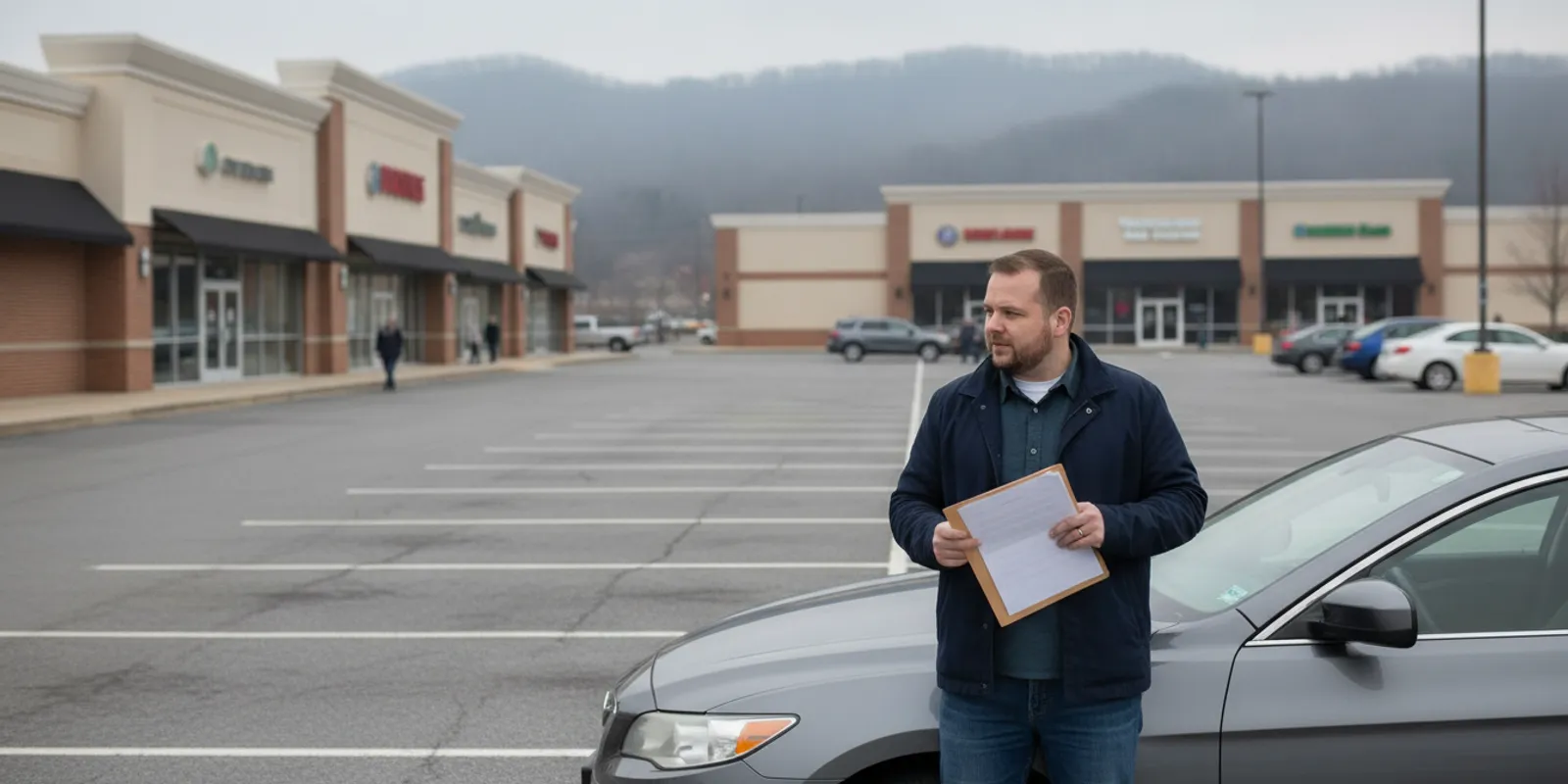
If you received a citation after an incident in a parking lot, you may be wondering whether reckless-driving laws can apply off the highway. A reckless driving lawyer Virginia drivers contact should first look at the exact statute cited, the place involved, and the conduct alleged. Virginia law can reach some driving in parking lots and other private-property settings, so a private lot does not automatically end the question. Start with this parking-lot charge defense overview and get advice based on your own paperwork and facts.
Call Letsen Law Firm at (276) 385-1111
Can reckless driving apply in a Virginia parking lot?
It can, depending on the statute and circumstances. Virginia's reckless-driving laws are not limited to speeding on an interstate. One provision addresses driving in a reckless manner on a highway; another addresses certain places away from a highway, including parking lots. The legal question is not simply whether a vehicle was on private property. The particular location, how it was used, and what the driver is alleged to have done can matter.
You can consult Virginia's published statutes through the Virginia Legislative Information System. The wording of the cited law and the facts in the summons should be reviewed together. Do not assume that a parking-lot allegation is invalid because the lot belongs to a business or is not a public road. Just as importantly, being accused does not establish that the allegation is true or that the legal requirements are met.
A parking-lot incident might involve a turn, a fast maneuver, backing, a near collision, or an alleged loss of control. Those descriptions alone do not answer whether the evidence supports the charge. A careful review asks what the officer observed, what witnesses reported, what the scene was like, and whether the account is consistent with physical evidence.
It also helps to separate the event itself from conclusions about it. A driver may have been trying to avoid another car, a pedestrian, or an unexpected obstacle; alternatively, a witness may describe a maneuver that appeared dangerous. The conditions, timing, and available views can be important to understanding those accounts. A charge should be evaluated from the evidence and the law, not from a label such as “parking-lot accident.”
Why does the exact location matter?
“Parking lot” can describe very different places. A lot beside a store, a shared commercial lot, a private residential area, and a driveway do not necessarily present the same legal or factual questions. The lot's owner is one detail, but it may not resolve how the space was used or whether a particular statutory provision applies.
Write down the exact location as soon as you can. Include the street address or nearest cross street, the business or property name, the entrance used, and where the vehicle was in relation to the lot. If the event occurred near a public road, note where the roadway ends and the lot begins. Make a simple sketch with entrances, travel lanes, parking spaces, signs, obstructions, and the positions of people or vehicles.
Do not rely on a map alone to show what the scene looked like at the time. Construction, temporary barriers, parked vehicles, lighting, and weather can change what a driver could see. If you can return safely and lawfully, photographs from several angles may help document the layout. Avoid entering restricted property or interfering with business operations.
Record whether the space was open to customers or visitors, shared by several businesses, controlled by a gate, or limited to residents or employees. Note any signs at the entrances and whether the route was a marked driving lane, a loading area, or an access road. These details do not decide the law by themselves, but they give counsel a more precise description than simply saying the incident happened “in a lot.”
What should you do after receiving a parking-lot summons?
First, read every part of the summons. Record the court, date, time, charge description, and statute number if listed. Keep the original paperwork and make a clear copy. If any part is hard to read, do not guess at the deadline or court location. Confirm it through an official court source or ask a lawyer to help you understand the next step.
Keep a simple folder, paper or digital, for everything connected to the event. Write down when you received each notice and when you contacted a court, business, witness, or lawyer. Save copies of emails and letters, and keep a note of any response or promised follow-up. This practical record can help you keep dates straight and give counsel a clearer picture of what has already happened.
- Calendar the court date and any stated deadlines. Missing a required appearance can create additional problems. If you cannot attend or the notice seems incorrect, promptly seek reliable guidance rather than assuming the matter will be rescheduled.
- Preserve documents and media. Save the citation, any incident or insurance paperwork, relevant messages, and original photos or video files. Keep copies in a safe place and note when each item was created.
- Write your own timeline. While your memory is fresh, record where you entered, your direction and approximate speed, what you saw, what happened next, and what was said afterward. Separate what you personally remember from what someone else told you.
- Identify possible witnesses and cameras. Note names and contact details for people who saw the event. Identify businesses or properties that may have security video. Video systems may overwrite recordings, so ask promptly about preservation. Do not pressure anyone to change or coordinate an account.
- Get case-specific legal advice before making assumptions. A lawyer can review the charge, location, evidence, and court requirements. Do not treat an online article as a substitute for advice about your particular summons.
For more context about court preparation, you can review the firm's Virginia reckless-driving FAQ. The answer for one driver may not fit another. The charge, court, driving history, and evidence can all affect what questions need attention.
What evidence can help clarify what happened?
Useful evidence is specific and connected to a question in the case. A wide photograph may show the layout, while a closer image may show a sign, curb, sightline, or obstruction. Video may show the movement of vehicles, but its angle, timing, and gaps matter. A witness may help explain what was visible or where people were standing. No single item automatically proves or disproves a charge.
| Evidence or detail | What to preserve or note | Question it may help answer |
|---|---|---|
| Summons and related paperwork | Every page, statute number, court name, and date | What charge is listed, and what response or appearance is required? |
| Parking-lot layout | Entrances, signs, lanes, sightlines, lighting, and nearby roads | Where did the event happen, and what conditions shaped visibility? |
| Photos or video | Original files, capture dates, camera location, and any missing intervals | What movement or conditions are actually visible? |
| Witness information | Names, contact details, and each person's own observations | What did a person directly see or hear? |
| Vehicle or scene condition | Damage, marks, debris, and any repairs or changes | Does the physical scene support or conflict with an account? |
Keep original files unchanged when possible. Do not crop, edit, delete, or post material online before discussing the case with counsel. If a business has video, write down whom you contacted and when. A request does not guarantee that footage exists or will be provided, but acting promptly can help avoid losing a potentially useful record.
How can a lawyer assess a parking-lot allegation?
A useful review starts with the actual charge rather than a general label. The lawyer can compare the cited provision with the location and conduct described, then look for evidence that confirms or challenges the account. That may mean studying the summons, available reports, photographs, video, witness accounts, and any scene diagram. It also means identifying what is still unknown instead of treating assumptions as facts.
Questions may include: Is the location covered by the provision cited? What does the officer say they personally observed? Is the description of the vehicle's movement consistent across records? Were people, parked cars, or other obstructions present? Is there a reliable basis for the speed or distance described? Does video begin before the event and continue afterward? These questions help organize the review; they do not predict what a court will decide.
A lawyer may also compare different accounts without assuming that a conflict automatically resolves the case. For example, a witness may describe a vehicle as moving quickly, while a camera view shows only part of its route. The video may clarify the vehicle's direction but not its speed. A diagram may help explain distance and visibility, but it should be consistent with the actual scene. Looking at each piece in context can reveal what the evidence does and does not establish.
Keep a short list of unanswered questions for the first conversation. You might ask which statute appears on the summons, whether the listed court is the right one, what documents would help counsel assess the allegation, and whether any evidence needs prompt preservation. Ask how the next procedural step works and what you are expected to do. A lawyer should explain the limits of what can be known before reviewing the available material; an initial conversation cannot guarantee a particular outcome.
Letsen Law Firm is a solo practice serving Southwest Virginia. Michael J. Letsen's former prosecutor background informs his understanding of how the state builds a case, while his approach emphasizes honest analysis and compassionate counsel. You can learn more about Michael J. Letsen and his background. No attorney can promise a particular result, and each case depends on its facts and applicable law.
Where does Letsen Law Firm handle reckless-driving cases?
The firm's reckless-driving practice is limited to six Southwest Virginia jurisdictions: Washington County, Smyth County, Tazewell County, Russell County, Buchanan County, and the City of Bristol. It does not take reckless-driving cases from other Virginia jurisdictions. The location limit matters even if the driver lives or works in the firm's service area, or the citation arose while passing through the region.
If the allegation is in one of those jurisdictions, you can read more about reckless-driving defense and the parking-lot charge defense questions to raise. The firm also provides information about its broader criminal defense representation. These pages are general information, not a conclusion about whether the firm can accept a specific matter. Contact the office to confirm the court and charge are within its practice scope.
When contacting a lawyer, have the summons available and be ready to identify the court, the date, and where the event occurred. Explain what you know without trying to fill gaps. If there may be video, say where it is and how soon it could be erased. Clear details make it easier to decide what needs to be reviewed next.
What should I expect from the court process?
The summons is the starting point for understanding the process, not a complete explanation of every step. The court named on it and the specific charge guide what happens next. Different cases can follow different paths, so do not assume that another driver's experience or a generic online checklist applies to your matter. Confirm the date and location, and find out whether the notice requires you to appear in person.
Before court, organize the citation, your timeline, photographs, witness details, and any communications about possible video. Keep a copy for yourself and make it easy to locate each item. If you receive new paperwork, save it with the original summons. Tell your lawyer about changes in your contact information or anything that could affect your ability to attend. If the listed date creates a problem, seek guidance promptly rather than waiting until the day of court.
Do not plead or make a decision based only on the belief that a parking lot is outside the law. Equally, do not assume a citation means the case is already decided. A lawyer can explain the charge and options after reviewing the available information, but only the court can resolve a contested case. The right next step depends on the charge, local court requirements, evidence, and your circumstances.
Keep communications calm and factual. Avoid posting a detailed account on social media or sending messages that could be misunderstood outside their context. Do not discard records, ask another person to change what they remember, or try to recreate a video or photograph. If you are unsure whether an item matters, preserve it and ask counsel before taking action.
Schedule Your Initial Case Consultation
Frequently asked questions
Can I be charged if the parking lot was private?
Possibly. Private ownership alone does not answer whether a Virginia reckless-driving provision applies. The location and its use, the statute listed, and the alleged conduct need to be considered together. Have a lawyer review the specific facts rather than relying on a general assumption about private property.
Does a collision mean I am guilty of reckless driving?
No. A collision or property damage can be part of the evidence, but it does not by itself establish every legal element of a charge. The circumstances, observations, physical evidence, and applicable law must be assessed. Do not assume that an accident automatically proves or disproves the allegation.
Should I contact a store to ask for its video?
You may identify the location and promptly ask how to preserve footage, but the business may have its own process and may not provide it directly. Note whom you spoke with and when. Preserve your own original files and tell your lawyer quickly, since some systems overwrite recordings.
Does Letsen Law Firm handle every Virginia parking-lot reckless-driving case?
No. The firm's reckless-driving practice covers Washington, Smyth, Tazewell, Russell, and Buchanan Counties and the City of Bristol. It does not accept reckless-driving cases from other Virginia jurisdictions. Contact the firm to confirm whether your specific court and case are within that scope.
Call (276) 385-1111 to discuss your summons
A parking-lot citation can raise fact-specific questions, so keep your documents and evidence together and get advice before deciding what the charge means for you.