
Social Media Car Accident Case Virginia: Protect Your Claim
By The Letsen Law Firm
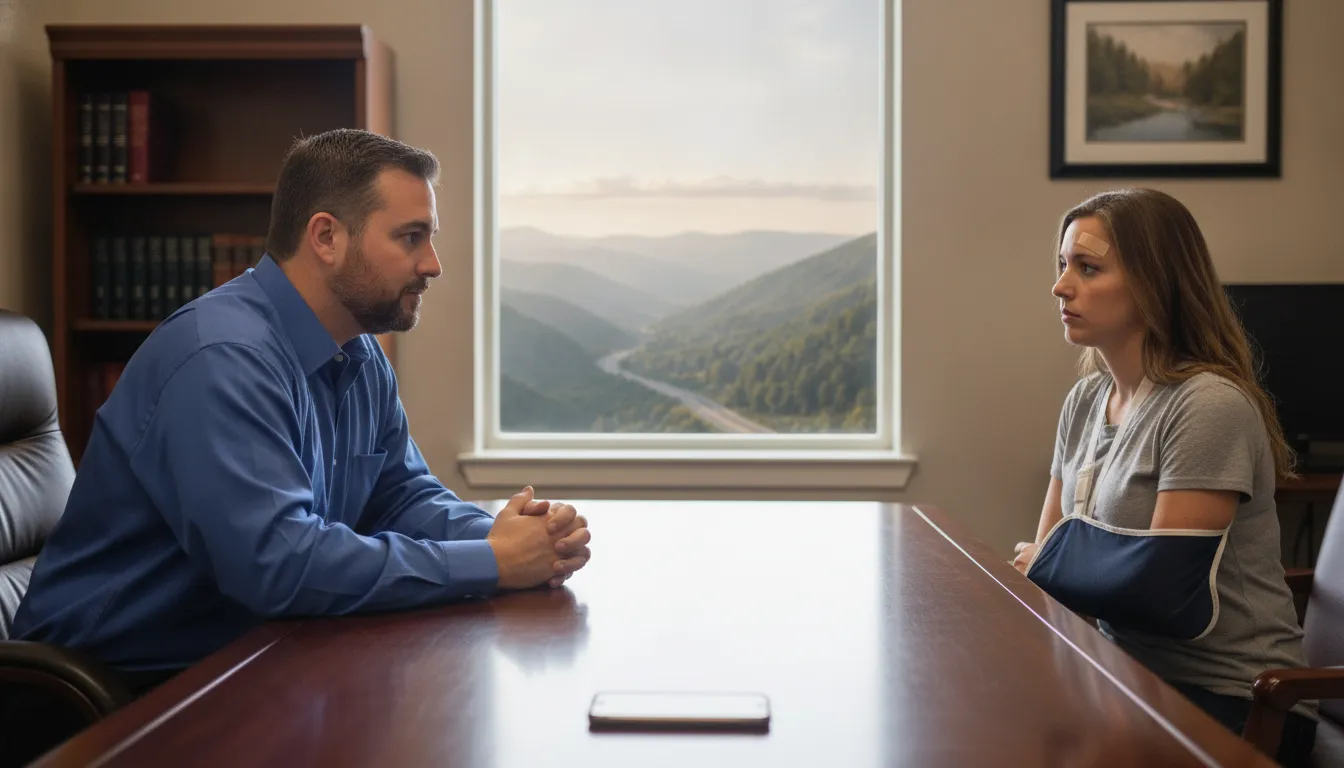
If you are searching for "social media car accident case virginia" guidance after a crash. Your online activity can become part of the story other people use to evaluate your claim. A photo that appears to show normal activity, a comment about what happened. Or someone else's post can raise questions when it does not match your account or reported injuries. That does not mean one post decides your case, but it does mean you should be thoughtful before discussing the collision online.
Call Letsen Law Firm for a confidential initial case consultation.
In a Virginia car accident case involving social media, posts, photos, comments, and related online content may be reviewed or used to challenge parts of your account. Preserve what already exists, avoid posting about the crash or your injuries, and get advice before responding to an insurer or changing online content.
The safest next step is to understand how context, timing, and consistency can affect the way online material is interpreted. Start by looking at when and why a post may create difficulty in a Virginia car accident claim.
Can social media hurt a car accident case in Virginia?
Yes, social media can create questions in a Virginia car accident case, but a post does not decide a claim by itself. Insurance companies and defense lawyers may review public posts while evaluating a claim. If a post, photo, or comment appears inconsistent with your account of the crash or your injuries. The other side may try to use it to challenge your position. A Virginia-focused discussion of this issue describes that risk, but the meaning of any post depends on the surrounding facts.
Context matters. A picture of you standing at a family event does not necessarily show that you are fully recovered. A brief comment made in frustration may not accurately describe what happened. A post can also leave out important details, such as pain that began later, medical restrictions, or activities you attempted briefly and could not continue. The question is usually not whether a post looks favorable or unfavorable in isolation. It is how the content fits with medical records, witness accounts, accident evidence, and your statements.
That is why it is important not to argue about the crash or your condition online. Do not assume that privacy settings make a post irrelevant, and do not alter or remove content because you are worried about how it may look. Preserve the original material and discuss the situation privately with a lawyer who can evaluate its actual context. Legal scholarship has specifically examined the evidentiary significance of social-media updates, texts, and similar electronic communications.
For practical next steps after a crash, review this guide to Virginia car accident legal advice. It can help you organize the evidence and insurer communications that may matter alongside your online activity.
What posts, photos, and comments create problems?
After a crash, online content can raise questions when it appears inconsistent with your account of the collision or your injuries. A Virginia-focused discussion notes that insurers and defense lawyers may review social media, and that posts, photos, or comments may be used to challenge a person's account. That does not mean one post decides a claim. Context matters, including when the content was created, what it shows, and what was happening outside the frame.
Use the categories below as a practical caution, not as a reason to panic or blame yourself. If you are unsure how a post fits with the records from your crash, review the broader evidence and consider traffic accident claim guidance before responding to questions about it.
| Content category. | Why it may create questions. | Safer next step. |
|---|---|---|
| Posts and status updates | A brief description of the crash, pain, activity, or recovery may be compared with later statements and records. | Stop posting case details and preserve the original content for review. |
| Photos | Images can show activity, surroundings, or timing that another party may interpret without the full context. | Do not edit or delete the image. Keep the original file and surrounding messages. |
| Videos | Movement, driving, recreation, or a short clip may not explain the person's condition before or after recording. | Preserve the complete video and note when and why it was recorded. |
| Comments and replies | Comments from you or others may add descriptions that differ from the account being evaluated. | Avoid discussing fault, injuries, or the claim in public replies. |
| Location or activity updates | A check-in or activity post may prompt questions about where you were and what you were doing at a particular time. | Keep a private, accurate record of relevant activities and medical limitations. |
| Tags and shared content | Another person's post or tag may present an incomplete view of an event involving you. | Save the content and its context. Do not assume changing a tag resolves the issue. |
The point is not to stop living your life or to assume online material will be used against you. It is to avoid adding confusion while the facts are being reviewed. Photos and comments are among the types of content that may be raised in a dispute, so a careful review is better than a rushed explanation.
Do private, deleted, or third-party posts still matter?
Privacy settings may limit who can see a post, but they do not automatically make the post irrelevant to a Virginia car accident claim. An insurer, another party, or a witness may already have seen the content, saved it, or shared it. Whether a particular post matters depends on its authenticity, context, and connection to the issues in dispute. It is not safe to assume that a private account places everything beyond question.
Deletion and editing raise a different concern. Removing a post does not guarantee that copies no longer exist, and changing a caption or image can make it harder to explain what was originally published. That does not mean an injured person should panic or preserve every casual online interaction forever. It does mean you should not delete, alter, or conceal accident-related content simply because you are worried about how it may look. Preserve the original material and discuss it with a lawyer before taking action.
What about tags, reshared content, and someone else's post?
You may be tagged in a friend's photo, appear in a video, or be mentioned in a post you did not create. A family member or bystander may also share material from the scene or from a later event. Other people's posts can raise questions about timing, activity, travel, or your physical condition, but a post is not automatically proof of what happened or how you feel. The full context matters, including when the image was made, who made it, and what it actually shows. A competitor's Virginia-focused discussion separately raises the question of whether other people's posts can affect a claim. Which is a useful issue to flag, not a universal rule about every third-party post.
Do not argue with the poster, ask someone to destroy a copy, or make a new public explanation. Save relevant links, screenshots, messages, and original files if available. Then get individualized advice about your personal injury claim steps, including what should be preserved and what communications should be handled privately.
Why consistency matters in a Virginia injury claim
After a crash, your account may develop across several sources: the date and time you remember. What a witness saw, photographs from the scene, medical descriptions, and what you post online. Those sources do not need to use identical words. They should, however, describe the same basic event and injuries. Insurers and defense lawyers may review online content, and posts or photos can be raised to challenge part of an account. That does not mean one imperfect post automatically defeats a claim.
Small details can help establish the timeline
Dates and witness accounts can matter because a Virginia collision claim is evaluated through specific facts and evidence. In one Virginia Supreme Court opinion, the court addressed a disputed collision involving a left turn and oncoming traffic. The opinion also records testimony that a witness saw a vehicle in the intersection approximately eight seconds before the crash. That kind of detail shows why timing, location, and firsthand observations may receive close attention in litigation. You can read the Virginia Supreme Court opinion for the court's fact-specific discussion.
Be careful when describing your injuries online
A photo from a family event, a comment saying you feel fine. Or a post describing an activity may look different from medical records that describe pain or limitations. Context matters. A brief statement may reflect one moment, not your complete recovery. Do not delete or alter potentially relevant content, and do not guess at medical explanations in public. Save photographs, messages, and account details, then tell your lawyer what was posted and when. A legal review can compare the available evidence without assuming that every difference is deception or that every inconsistency is fatal.
What should you do if you already posted after the crash?
Do not panic or assume one post decides your claim. If you have already shared something about the crash, the safest response is to stop adding to the public record and preserve what exists. A post, photo, comment, or message may be viewed in the context of your account, your injuries, and the events you describe elsewhere. Guidance on this issue commonly recommends taking careful steps after a post has already been made, rather than reacting impulsively.
- Stop discussing the crash publicly. Do not add details about fault, your injuries, treatment, settlement discussions, or conversations with an insurer. Ask friends and family not to post about the accident or tag you in related content. You do not need to announce that you are stepping away from social media.
- Do not delete or edit the original post. Do not try to make a post sound more accurate after the fact, and do not remove comments or messages simply because you are worried about them. Deletion can change the record and make it harder to explain what happened. A lawyer can help you decide how to handle existing content without assuming that deletion is harmless.
- Preserve the original content and messages. Save copies of relevant posts, comments, direct messages, tags, and photos. Keep the surrounding context, including dates and replies, rather than saving only a cropped screenshot. Also note posts made by other people that mention the crash or show you after it. Third-party content may raise questions even when you did not create it.
- Keep your medical and crash records together. Preserve medical records, bills, discharge instructions, photographs of the vehicles or scene, the crash report, witness information, and your communications with insurers. Consistent records help a lawyer compare your online activity with the underlying facts without relying on a single post.
- Avoid arguing with an insurer or the other side online or in an unprepared call. One practical recommendation is to let a lawyer handle communications with the insurance company and opposing parties when representation is appropriate. Before making statements, get advice about what information should be provided and how to respond accurately.
- Get case-specific legal advice. Bring the preserved content and your crash records to a Virginia lawyer. You can also review these personal injury claim steps while gathering your information. A confidential review can help you understand what matters and what to do next.
These are prudent precautions, not a substitute for advice about your particular facts. The sooner you organize the record, the easier it may be to discuss the situation clearly and honestly.
How can a Virginia car accident lawyer help?
After a crash, it can be difficult to tell which details matter and what to say to an insurer. A Virginia car accident lawyer can review the timeline with you, identify unanswered questions, and help organize the records, photographs, messages, and other information connected to the collision. That review can give you a clearer picture of the issues in your claim without asking you to guess at the legal significance of every detail.
Reviewing the facts and preserving the story
A careful review starts with your account of what happened, when symptoms began, what treatment you received, and how the collision affected your daily life. Your lawyer can compare those details with available crash records, medical information, witness accounts, and online content. The goal is not to change your story. It is to understand the evidence and address inconsistencies or missing information before they create unnecessary confusion.
For additional guidance about gathering information after a crash, read this overview of Tazewell County car accident claims.
Managing insurer communications
Insurance communications can feel urgent, especially when adjusters ask for statements, records, or details about your injuries. A lawyer can help you understand what is being requested and handle appropriate communications on your behalf. That gives you a chance to focus on medical care and accurate documentation instead of trying to argue your claim while under stress. It also helps keep communications grounded in the facts rather than speculation about fault, recovery, or the value of a case.
Providing direct, local representation
Letsen Law Firm is a solo practice serving people and families in Southwest Virginia, including the Abingdon and Tazewell areas. Michael J. Letsen personally handles client representation rather than passing the matter through a large firm. His approach is built around honest legal analysis, reliable representation, and compassionate counsel. If you want to discuss what happened and what information you have collected, local representation can provide a direct place to start.
Contact Letsen Law Firm about your car accident claim.
Frequently Asked Questions
Can social media be used against you in a car accident case?
It can be reviewed and used to question your account of the crash, your injuries, or your recovery. Posts, photos, comments, and videos do not decide a claim by themselves, but context matters. A casual update may look different when compared with medical records, witness accounts, or other evidence. Social-media scholarship and court resources discuss online updates and electronic material as potential litigation evidence. But the meaning of any item depends on the facts and the way it is authenticated and presented.
Should I stop using social media after an accident?
Consider pausing posts about the crash, your injuries, activities, travel, and conversations with insurers or the other driver. You do not need to panic or assume that every ordinary post is harmful. The safer approach is to avoid creating new statements that can be taken out of context while you get advice about your specific claim.
Do I have to quit social media or remove old content?
Not necessarily. Do not delete, edit, hide, or alter posts, messages, photos, or videos simply because they may relate to the accident. Those changes can create separate questions about what existed before. Preserve the original material and ask a Virginia lawyer how to handle it. Privacy settings also do not make it wise to assume that relevant content will never be reviewed.
Why are insurance companies looking at my social media?
They may be looking for information that helps them evaluate what happened, the extent of an injury, or whether your public statements match the claim. That does not mean the insurer is automatically right about what a post means. Save relevant records, avoid arguing about the claim online, and direct substantive communications to your lawyer when possible.
Ready to Discuss Your Virginia Car Accident Claim?
Social media questions can be difficult to evaluate without reviewing the full story, including what you posted, what others shared, and how those details fit with your claim. A confidential conversation can help you understand what to preserve and what steps to consider next.
Schedule a confidential initial case consultation.
Call Letsen Law Firm to get direct guidance on your evidence, communications, and next steps.