
What Happens in Traffic Court? A Step-by-Step Guide
By The Letsen Law Firm
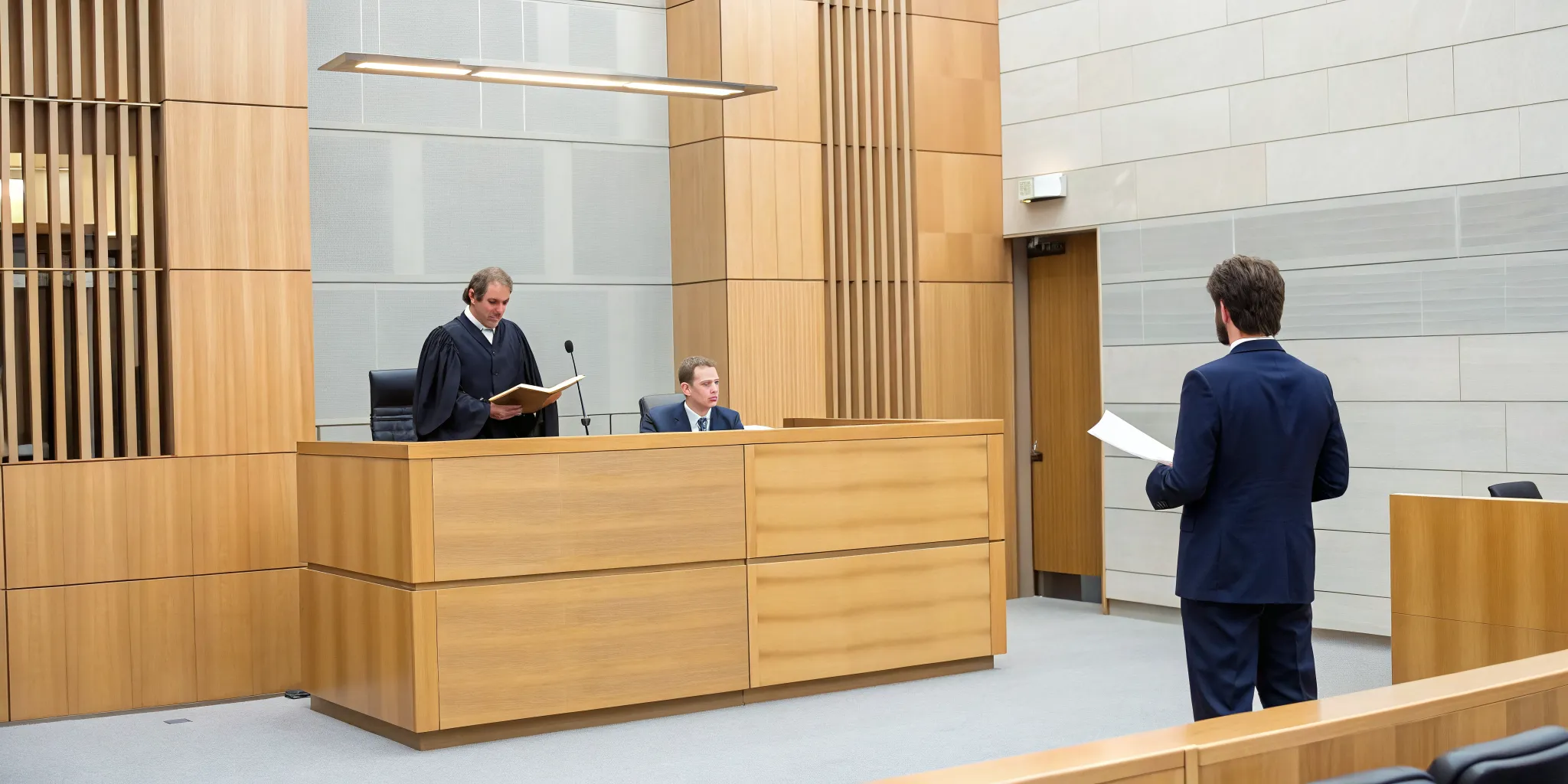
The dollar amount printed on your traffic ticket is rarely the final cost. When you pay that fine, you’re pleading guilty, which can set off a chain reaction of expenses. Your car insurance premiums can rise and stay high for years, and you may face additional court costs. Suddenly, a simple ticket becomes a long-term financial burden. Before you decide to pay, it’s important to understand the full picture. This guide explains the true financial impact of a conviction and how fighting your ticket in traffic court can protect your finances and your driving record.
Key Takeaways
- Look past the initial fine: Simply paying a ticket is a guilty plea that can trigger lasting consequences like demerit points, increased insurance costs, and a potential license suspension.
- Know your legal options: You are not powerless after getting a ticket; you have the right to contest the charge, review the evidence, and negotiate for a better outcome, such as a reduced violation with fewer penalties.
- Don't handle serious charges alone: For major violations like a DUI, reckless driving, or even a missed court date, hiring an attorney is your best move to protect your rights, your license, and your freedom.
What Is Traffic Court?
If you’ve received a ticket, you’ve probably seen a court date printed on it. Traffic court is a specialized court that exclusively handles cases involving violations of traffic laws. This is where a judge listens to arguments about everything from speeding tickets and running red lights to more serious accusations like reckless driving. While many people think of traffic court as a place to simply pay a fine, it’s a formal legal proceeding where the outcome can have lasting effects on your driving record and insurance rates. Understanding what it is and how it works is the first step in protecting your rights.
Minor vs. Major Offenses
Not all traffic violations are treated equally. They generally fall into two categories: minor infractions and major offenses. Minor infractions are things like a basic speeding ticket, failing to signal, or having a broken taillight. These typically result in a fine and points on your license.
Major offenses are much more serious and are often classified as misdemeanors or even felonies. These include charges like reckless driving, driving on a suspended license, or leaving the scene of an accident. A conviction for a major offense like a DUI/DWI charge can lead to heavy fines, a suspended license, and even jail time. The distinction is important because it determines the potential penalties and the best way to approach your case.
How Traffic Court Differs From Criminal Court
Traffic court proceedings are often simpler and faster than those in a typical criminal court. The rules of evidence can be more relaxed, and the focus is on violations of the vehicle code rather than broader criminal statutes. However, it's a mistake to think traffic court isn't serious.
When a traffic violation rises to the level of a misdemeanor, the line between traffic and criminal court blurs. For these charges, you face a criminal record, not just a mark on your driving history. An experienced criminal defense attorney understands that these cases require the same dedicated preparation and strategic defense as any other criminal charge to protect your freedom and your future.
Common Traffic Court Myths
Many people have misconceptions about how traffic court works, which can lead to poor decisions. One of the most common myths is that just showing up will get your ticket dismissed, especially if the officer doesn’t appear. This is rarely the case; the court can and often will proceed without the officer.
Another myth is that a small error on your ticket, like a misspelled name or the wrong car color, will automatically invalidate it. While significant errors can be grounds for dismissal, minor clerical mistakes are usually overlooked by the judge. Knowing the facts from fiction is key, and having an attorney who understands the system from both sides can give you a realistic view of your options. Attorney Michael J. Letsen's background as a former prosecutor provides exactly that insight.
What Happens When You Get a Traffic Ticket?
Seeing flashing lights in your rearview mirror is a stressful experience, and the piece of paper the officer hands you can feel just as confusing. A traffic ticket is more than just a fine; it’s a legal notice that starts a formal process. What you do next matters. Your decision can affect your driving record, your insurance rates, and in some cases, even your freedom. Understanding the steps that follow a traffic violation is the first move toward protecting your rights and achieving the best possible outcome.
Your Options After Getting a Ticket
Once you have the ticket in hand, take a moment to read it carefully. It contains all the essential details about your situation, including what the alleged violation is, the deadline to respond, and your scheduled court date. Your citation is the starting point for deciding what to do next. Generally, you have two main paths: you can pay the ticket, which is an admission of guilt, or you can choose to contest the citation in court. This decision isn't one to take lightly, as simply paying the fine can have long-term consequences you may not have considered.
Should You Pay or Contest Your Ticket?
Paying a ticket might seem like the easiest way to make the problem go away, but it’s legally the same as pleading guilty. This means you accept the penalties, which often include not only a fine but also demerit points on your license and a potential increase in your car insurance premiums. Alternatively, you can plead not guilty and challenge the ticket in court. This gives you the opportunity to present your side of the story. A third option in Virginia is pleading "no contest" (nolo contendere), which means you aren't admitting guilt, but you are accepting the court's punishment. A criminal defense attorney can help you understand which plea makes the most sense for your specific circumstances.
When You Must Appear in Court
While many minor infractions allow you to simply pay a fine online or by mail, some traffic violations require a mandatory court appearance. You cannot just pay the fine and move on. These are typically more serious offenses where a judge needs to be directly involved in the outcome. Charges like reckless driving or a DUI/DWI offense always require you to appear in court. If your ticket states that a court appearance is mandatory, it is critical that you show up on the specified date. Failing to appear can lead to additional charges and even a warrant for your arrest, turning a bad situation into a much worse one.
Can You Settle a Ticket Without Going to Court?
Yes, it's often possible to resolve a ticket without a full trial. An experienced attorney can negotiate with the prosecutor on your behalf to seek a better outcome. Sometimes, the prosecutor and your lawyer can agree on a settlement to resolve the case before it ever goes before a judge. This is a common part of the legal proceedings in traffic court. This process, often called a plea agreement, might involve pleading guilty to a lesser offense with reduced penalties. For example, a speeding ticket could potentially be reduced to a non-moving violation, which carries no demerit points. Having a lawyer like Michael Letsen, a former prosecutor, gives you a distinct advantage in these negotiations, as he understands the system from both sides.
What Are Your Rights in Traffic Court?
Walking into a courtroom can feel overwhelming, even if it’s "just" for a traffic ticket. It’s easy to assume your only option is to pay the fine and accept the consequences. But the truth is, you have fundamental rights in traffic court, just as you would in any other legal setting. Understanding these rights is the first step toward protecting your driving record, your finances, and your freedom. It’s not simply about arguing your case; it’s about ensuring the process is fair and that you have a voice. Many traffic violations are considered criminal defense matters with serious penalties, so knowing your options is critical. From having a lawyer by your side to questioning the evidence against you, you have more power than you might think. Let's walk through the key rights you hold when you step into that courtroom.
Your Right to an Attorney
You always have the right to hire an attorney to represent you in traffic court. While you might handle a simple parking ticket on your own, you should talk to a lawyer immediately for more serious charges. Offenses like a DUI or DWI, reckless driving, or driving with a suspended license are misdemeanors that carry significant penalties, including potential jail time and the loss of your license. An experienced attorney can stand with you in court, explain the exact nature of the charges, and outline your best course of action. They can often appear on your behalf, saving you time and stress while working to secure a more favorable outcome.
Your Right to Challenge the Evidence
The officer who wrote your ticket is not the final authority. In court, the prosecutor has the burden of proving you committed the violation. You have the right to see, review, and challenge all the evidence they plan to use against you. This could include the officer’s notes, calibration records for a radar gun, or video footage from a dashcam or bodycam. If you choose to fight your ticket, the legal proceedings in traffic court allow you to prepare for trial by gathering your own evidence. An attorney knows exactly what to look for, from procedural mistakes to technical inaccuracies, that could get your case dismissed.
Choosing Your Plea: Guilty, Not Guilty, or No Contest
When you appear in court, you will be asked to enter a plea. This is a critical decision, and you generally have three options. You can plead guilty, which means you admit to the violation and accept the penalties. You can plead not guilty, which means you are exercising your right to a trial where the prosecutor must prove their case. A third option is pleading "no contest" (or nolo contendere), where you don't admit guilt but accept the conviction. This can be a strategic choice, especially if your ticket is related to a car accident and you want to avoid having a guilty plea used against you in a civil lawsuit.
Negotiating With the Prosecutor
Many traffic cases are resolved before they ever go to trial. You or your attorney have the right to speak with the prosecutor to try and reach an agreement, often called a plea bargain. It’s common to negotiate for a lesser charge, such as reducing a speeding ticket to a non-moving violation that doesn’t add points to your license. This is where having an experienced lawyer is invaluable. An attorney with a background as a former prosecutor, like Michael J. Letsen, understands how prosecutors think and what it takes to negotiate a fair deal. This can save you from higher fines, license points, and increased insurance premiums.
How Does the Traffic Court Process Work?
The traffic court process can seem confusing, but it follows a clear set of steps. Knowing what to expect can make the experience much less stressful. From requesting your date to the judge's final decision, each stage has a purpose. This guide breaks down the process so you can feel prepared and confident as you handle your traffic ticket. Whether you're facing a simple speeding ticket or a more serious charge like a DUI/DWI, understanding these steps is the first move toward protecting your rights.
How to Request a Court Date
The date, time, and location of your court appearance are usually printed directly on your traffic ticket. This is your initial arraignment date, where you will enter a plea. If you plan to simply pay the fine, you might not need to appear, but if you want to fight the ticket, this is your starting point. You'll need to use the information on your citation to decide if you want to contest the citation. If you plead not guilty at this first appearance, the court will then schedule a separate trial date where you and the officer can present your case to the judge.
What to Bring to Court
Preparation is everything when you walk into a courtroom. Start by organizing all relevant documents and evidence. Be sure to bring your copy of the traffic ticket, your driver's license, and proof of current car insurance. If you have any evidence to support your case, like photos of the scene, dashcam footage, or contact information for witnesses, have it ready. It’s also a good idea to dress respectfully in business-casual attire. While it won't decide your case, showing respect for the court is always a smart move. An experienced criminal defense attorney can help you identify and prepare the most effective evidence for your hearing.
What to Expect on Your Court Date
On your court date, plan to arrive early. This gives you time to find parking, go through security, and locate your assigned courtroom without rushing. Once inside, you'll likely see many other people waiting for their cases to be called. When it's your turn, the judge will call your name, and you'll approach the front. The judge will read the charge against you and ask for your plea. This initial appearance is often brief. Knowing what to expect in traffic court can help ease any anxiety you might feel about the process, allowing you to focus on presenting your case clearly and confidently.
How a Judge Decides Your Case
If you plead not guilty, your case will proceed to a trial, either on the same day or a future date. During the trial, the police officer who issued the ticket will testify about why they cited you. After their testimony, you or your attorney will have the opportunity to cross-examine the officer and present your side of the story. This includes submitting your evidence and having any witnesses speak on your behalf. The entire process involves gathering evidence in preparation for trial. After hearing both sides, the judge will weigh the evidence and decide whether the prosecutor has proven you committed the violation.
What Are the Consequences of a Traffic Violation?
A traffic ticket can feel like a simple, frustrating part of driving. The natural reaction for many is to just pay the fine and move on, eager to put the inconvenience behind them. However, this seemingly easy solution is actually an admission of guilt, and it can trigger a series of consequences that extend far beyond that initial payment. The effects of a traffic violation can create a domino effect, impacting your finances, your ability to drive, and even your daily routine for years to come. Understanding these potential outcomes is critical before you decide to plead guilty by paying the ticket.
It’s not just about the immediate cost; it’s about the long-term impact on your driving record, your insurance premiums, and your personal freedom. Making a smart choice now can save you from significant headaches and expenses down the road. Whether it's a minor speeding ticket or a more serious charge, taking it seriously from the start is the best way to protect yourself. This is why exploring all your options, including contesting the ticket with the help of an experienced attorney, is so important for safeguarding your future. The initial fine is often just the tip of the iceberg when it comes to the true cost of a conviction.
Fines and Court Costs
The most immediate consequence of a traffic ticket is the fine, which can range from a minor sum to a substantial amount depending on the severity of the violation. If you choose to contest the ticket in court, you may also be responsible for court costs in addition to any fines a judge imposes. However, appearing in court can also be an opportunity. If you plead guilty or no contest, you might be able to speak with the judge and explain your situation, which could lead to a reduced fine. Simply ignoring the ticket is the worst option, as unpaid fines often lead to late fees and more severe penalties, potentially escalating a simple ticket into a more serious legal issue requiring criminal defense.
How a Ticket Affects Your License Points
In Virginia, the DMV uses a demerit point system to track your driving history. When you are convicted of a traffic violation, the DMV adds a specific number of points to your record. Different offenses carry different point values; for instance, a minor speeding ticket might add three or four points, while a more serious offense like reckless driving could add six. You can review the Virginia DMV's guide to see how many points your specific violation carries. These points remain on your record for a set period, and accumulating too many in a short time frame can lead to direct intervention from the DMV, including mandatory driver improvement clinics and other penalties.
Risking License Suspension or Revocation
Those demerit points can add up faster than you think, and if you accumulate too many, the DMV may suspend your driver's license. A suspension is a temporary loss of your driving privileges, but a revocation is a complete cancellation of your license. It's also important to know that you can lose your license for a single serious offense, such as a DUI or DWI, regardless of your prior record. Furthermore, if you simply fail to show up for your court date, the court can order the DMV to suspend your license until the ticket is resolved. Losing your ability to drive can create immense challenges for getting to work, caring for your family, and managing your life.
How Violations Affect Your Insurance Rates
Beyond the immediate court-related costs, a traffic violation can have a lasting financial impact. Insurance companies determine your premiums based on their assessment of your risk as a driver, and a traffic conviction on your record is a major red flag. Even a single ticket can cause your insurance rates to increase significantly, and that higher premium can follow you for several years. When you compare the initial fine to years of inflated insurance payments, the true financial cost of a ticket becomes much clearer. An experienced attorney can help you understand all potential outcomes and fight to protect both your license and your finances. You can learn more about our firm's approach and how we can assist you.
What Happens If You Miss Your Traffic Court Date?
Life gets busy, and sometimes things fall through the cracks. But a traffic court date is one appointment you absolutely cannot afford to miss. Forgetting or ignoring it won’t make the ticket go away; in fact, it will create a much bigger legal problem for you. If you’ve missed your court date, it’s important to understand the potential consequences and take action right away to protect yourself.
The Consequences of Missing Court
Missing your court date is a serious offense in itself. The court will issue a "failure to appear," which can trigger a cascade of negative outcomes. In Virginia, failing to appear for a traffic infraction can be charged as a Class 1 misdemeanor, the most serious class of misdemeanor. The judge can issue a warrant for your arrest and notify the DMV to suspend your driver’s license. For example, some states will automatically suspend your driver’s license until the case is resolved. This means you could be arrested during a future traffic stop and face new criminal charges on top of your original ticket.
What to Do If You Miss Your Court Date
If you realize you’ve missed your court date, the most important thing to do is act immediately. Do not wait. Your first step should be to contact the clerk of the court where your hearing was scheduled. You need to find out the current status of your case. Has a warrant been issued? Has your license been suspended? The clerk can tell you what has happened and what you need to do next. In many jurisdictions, you might receive a notice giving you a short window of time, often 30 days, to pay any fines associated with your case. Ignoring this will only make things worse.
How a Traffic Attorney Can Help
This is a situation where you shouldn't go it alone. An experienced traffic attorney can be your most valuable asset. Instead of you trying to figure out the court system, an attorney can contact the court on your behalf. They can file a motion to have the failure to appear charge withdrawn and ask the judge to set a new court date for your original ticket. A criminal defense lawyer can help you understand your options and work to minimize the damage. Having a professional handle the situation shows the court you are taking the matter seriously and can make all the difference in getting a favorable outcome for both the missed date and the original violation.
Related Articles
- Reckless Driving FAQ | Letsen Law Firm
- DUI/DWI FAQ | Letsen Law Firm
- Car Accidents FAQ | Letsen Law Firm
- Reckless Driving Attorney in Abingdon & Tazewell, Virginia | Letsen Law Firm
- Criminal Defense Attorney in Abingdon & Tazewell, Virginia | Letsen Law Firm
Frequently Asked Questions
Should I just pay my ticket to get it over with? Paying a ticket might feel like the simplest solution, but it's legally the same as pleading guilty. This means you are accepting all the consequences that come with the conviction, not just the fine. Those consequences often include demerit points on your license and a potential increase in your car insurance premiums that can last for years. Before you pay, it's worth considering the long-term financial impact and how it might affect your driving record.
Is it worth hiring an attorney for a traffic ticket? For a very minor infraction, you might feel comfortable handling it yourself. However, for anything more serious, an attorney is a wise investment. Charges like reckless driving, DUI, or driving on a suspended license are criminal offenses with penalties that can include jail time and a criminal record. An experienced lawyer can negotiate with the prosecutor for a lesser charge, challenge the evidence against you, and work to protect your freedom and your future.
What's the difference between pleading "guilty" and "no contest"? When you plead guilty, you are formally admitting that you committed the violation. A plea of "no contest," or nolo contendere, means you are not admitting guilt, but you are accepting the court's punishment for the offense. This distinction can be very important, especially if your ticket is related to a car accident. A guilty plea can be used against you in a civil lawsuit, while a no contest plea typically cannot.
If the police officer doesn't show up to court, will my ticket be dismissed? This is a common myth, but you shouldn't count on it. While an officer's absence can sometimes lead to a dismissal, it's not automatic. The judge has the discretion to reschedule the hearing for another day to give the officer another chance to appear. Relying on a no-show is a risky strategy that often doesn't pay off.
I missed my court date. What should I do? If you missed your court date, you need to act immediately. Ignoring it will only make things worse, as the court can issue a warrant for your arrest and suspend your driver's license. Your first step should be to contact an experienced traffic attorney right away. A lawyer can communicate with the court on your behalf, work to resolve the failure to appear charge, and get your original case back on track.