
What Is a Criminal Defense Lawyer in Virginia?
By The Letsen Law Firm
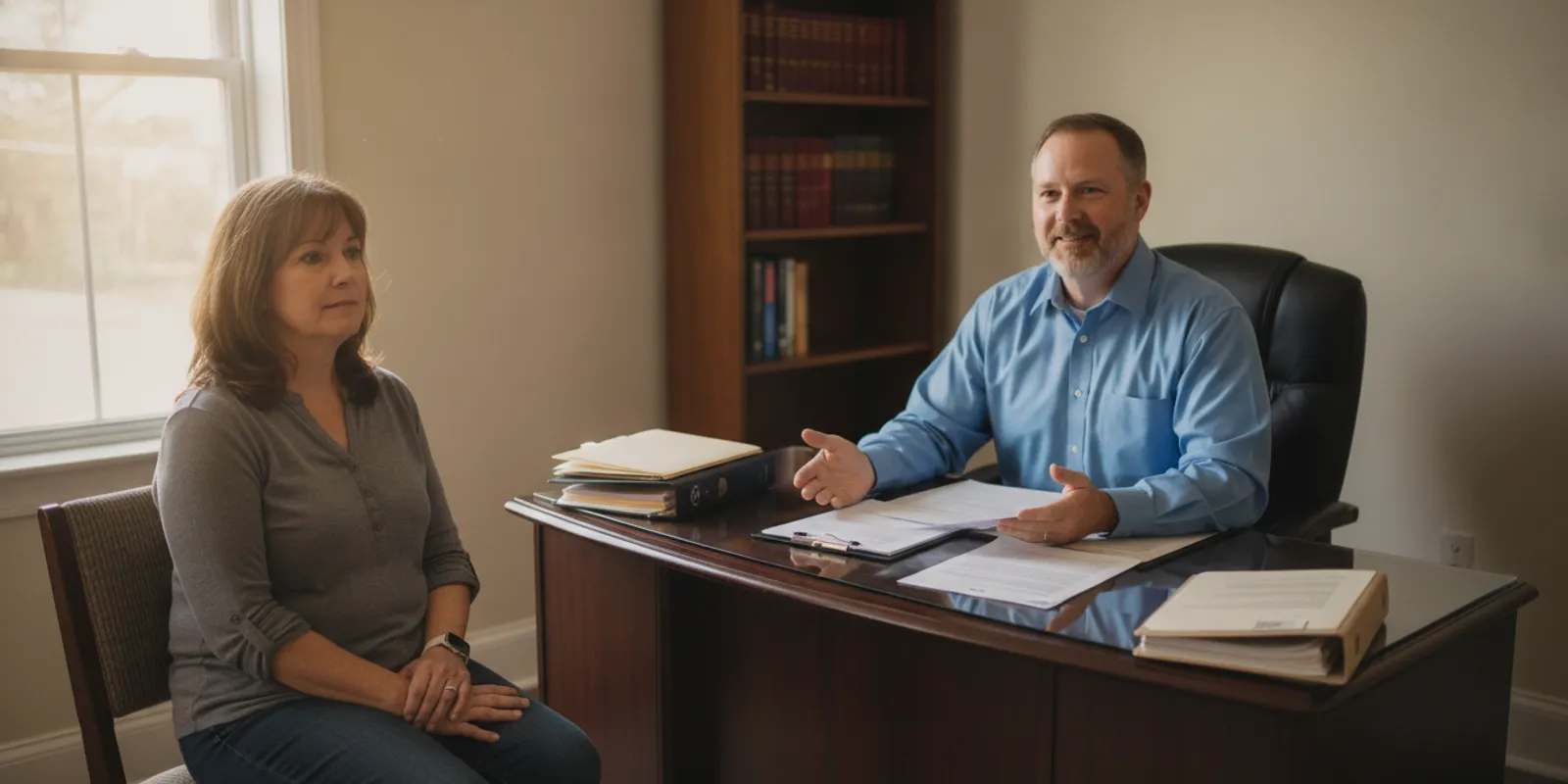
If you or someone close to you is facing a criminal accusation, it is natural to wonder what happens next. What is a criminal defense lawyer, and what does that lawyer actually do? In Virginia, defense counsel helps a person understand the accusation, evaluate evidence and legal issues, and make informed decisions throughout the case. An accusation is not a finding of guilt, and every matter depends on its own facts.
Call to discuss your situation
What is a criminal defense lawyer responsible for?
A criminal defense lawyer represents someone accused of a crime. The lawyer's role is to protect the client's legal rights and help the client respond to the charge. That work may include explaining court procedures, reviewing paperwork, investigating relevant facts, assessing the prosecution's evidence, and appearing in court.
Defense does not mean promising a particular result. It means examining what the government must prove, how it plans to prove it, and whether evidence or procedures raise issues that should be addressed. Counsel can explain possible paths forward and the uncertainties attached to them, so the client can make informed choices.
For the firm's local defense practice, see criminal defense lawyer services in Southwest Virginia. Letsen Law Firm is a solo practice with offices in Abingdon and Tazewell. Michael J. Letsen's former prosecutor experience informs his understanding of how the state builds a case, while the defense strategy must still follow the specific facts and law.
How can counsel help after an arrest or charge?
The exact work depends on the allegation and stage of the case. Early advice can prevent confusion about deadlines or court requirements. A lawyer can review a summons, warrant, arrest paperwork, or other documents and explain what they mean in plain language. If the paperwork identifies a court, date, or condition, treat it as important and ask promptly about anything unclear.
A defense lawyer may discuss what to do and avoid while the matter is pending. Follow court instructions. Avoid discussing details publicly or with people who may later be witnesses. If law enforcement seeks an interview, legal advice can help a person understand options before responding. Do not assume a general internet answer applies to your circumstances.
At an initial meeting, expect to discuss the timeline and what documents or communications exist. Be candid, including about facts that seem unfavorable or minor. A detail that feels unimportant to one person may help explain a sequence, clarify a witness account, or identify a question that needs investigation. Preserve original messages and files rather than editing or deleting them.
What stages of a Virginia criminal case may involve a lawyer?
Criminal cases do not all follow the same route. The charge, court, evidence, and procedural history affect what happens. Counsel may be involved at several points, although not every case includes every step below.
| Stage | What may happen | How counsel may assist |
|---|---|---|
| After an accusation | A person receives a summons, warrant, or notice to appear. | Review paperwork, explain immediate obligations, and discuss next steps. |
| Initial court proceedings | The court addresses the charge and procedural matters. | Appear when permitted, explain the process, and address relevant issues. |
| Evidence review | The parties evaluate reports, statements, recordings, and other material. | Assess what the evidence may show, how it was obtained, and whether further investigation is appropriate. |
| Resolution discussions or trial preparation | The case may involve negotiations, motions, or trial preparation. | Explain options and consequences, raise appropriate legal issues, and prepare to present a defense. |
| After a court decision | Sentencing or other follow-up may be required. | Explain the ruling and discuss available next steps based on the case. |
This is a general outline, not a guaranteed schedule. Some cases resolve early; others require additional hearings or a trial. To review the firm's criminal-defense services, see its practice areas.
How is evidence and the accusation evaluated?
A lawyer starts with the specific charge and the elements the prosecution must establish. The lawyer then examines the available information in context. Depending on the case, that may include police reports, witness accounts, photographs, recordings, physical evidence, and the circumstances of a stop, search, or questioning.
Reviewing evidence is more than accepting a report at face value. Counsel may ask whether accounts are consistent, whether important context is missing, whether information can be checked independently, and whether legal rules were followed. The former prosecutor background of Michael J. Letsen brings familiarity with how the state evaluates and presents criminal cases. That perspective does not predetermine what the evidence means or what result is possible.
Possible issues vary widely. Identification may be central in one matter. Another may turn on the reliability of a statement, the scope of a search, or whether the evidence supports the charged offense. For example, a timeline can be tested against available records, but a record's meaning must be assessed alongside its source and context. A lawyer needs the actual case materials to identify which questions matter.
Federal law provides a baseline protection against unreasonable searches and seizures. The text of the Fourth Amendment to the U.S. Constitution describes that protection. Whether it applies to a particular search, and what remedy may be available, depends on the facts and law. The citation is general legal background, not advice about an individual case.
Which decisions belong to the client?
A lawyer advises and represents, but the client remains central to important decisions. The client should be given an explanation of options, potential consequences, and uncertainties. It is reasonable to ask for unfamiliar terms to be explained or to ask what information supports a recommendation.
Do not assume every case should be handled the same way. A plea offer, trial, motion, or other option can have different implications depending on the charge, evidence, and client's circumstances. Counsel's role includes helping the client understand those differences, not guaranteeing an outcome or pressuring a decision. If you need time to consider a proposal, ask what deadline applies and what could happen if it passes.
What should you bring to an initial consultation?
Gather what you have, even if you are unsure whether it matters. A simple organized set of materials can make the first conversation more productive:
- Summonses, warrants, bond paperwork, or court notices, including every page.
- Names and contact information for people who may have relevant information, without asking them to coordinate stories.
- Messages, photographs, video, or other records related to the event; preserve originals and note where copies came from.
- A brief timeline with dates, locations, and people present, marking anything you are unsure about rather than guessing.
- Questions about court dates, conditions, work, family responsibilities, or other practical concerns.
Do not try to gather evidence by confronting a witness, entering property without permission, or accessing someone else's account. Write down what you remember while it is fresh, but separate your recollection from what another person told you. If you discover additional records later, tell counsel rather than changing the original materials.
For general information about reaching the firm, consult the Letsen Law Firm FAQ. You can also read about Michael Letsen before a conversation.
How do you prepare for a useful first conversation?
Start by stating the immediate issue: the charge or contact you know about, any upcoming court date, and whether you have received paperwork. You do not need to arrive with a legal theory. The purpose is to provide accurate facts and learn what questions should be answered next.
It can help to distinguish three categories: what you personally saw or heard, what a document says, and what someone else reported. Label uncertainty plainly. For instance, if you recall that a conversation happened after an event but cannot remember the time, say so instead of estimating. Accurate uncertainty is more useful than a confident guess.
Bring practical questions too. Ask what the next procedural step appears to be, what documents are still needed, how updates will be handled, and whether there is a deadline you should know about. If a family member is helping organize papers, make sure the lawyer knows who is present and who is the potential client. Confidentiality and representation are case-specific issues, so clarify them directly.
Keep expectations realistic. A first meeting may clarify the process and identify missing information, but it may not resolve every legal question immediately. A lawyer might need to review records or learn more before discussing possible approaches. That is different from ignoring the concern; ask what follow-up information is needed and how to provide it safely.
How should you choose counsel for a criminal matter?
Look for a lawyer who handles the type of charge involved and explains the process in terms you understand. Ask who will work on the matter, how communication happens, what information is needed, and what the next procedural step may be. A direct discussion can help you decide whether the lawyer's approach fits your needs.
Local court familiarity may help a lawyer explain practical procedures, but it does not determine an outcome. In Washington, Tazewell, Smyth, Russell, or Buchanan County, or the City of Bristol, ask how the case will be handled in the relevant court and what information remains uncertain. Find contact options to start that conversation.
When comparing counsel, focus on fit and clarity rather than dramatic promises. You can ask how the lawyer approaches evidence review, what communication to expect, and what could change the assessment as new information appears. A responsible discussion should recognize both strengths and risks without implying that any particular result is assured.
Frequently asked questions
Does a criminal defense lawyer only appear at trial?
No. Counsel may help before trial by reviewing paperwork, explaining obligations, examining evidence, and advising about available choices. Important work often happens outside a trial.
Can a lawyer guarantee that a charge will be dismissed?
No. Outcomes depend on the facts, evidence, applicable law, and decisions in the case. A lawyer can discuss possible approaches after reviewing the circumstances, but cannot responsibly promise a result.
Should I wait until my court date to speak with a lawyer?
Do not ignore a court date or notice. If you are unsure what to do, seek advice promptly so you can understand the paperwork and any deadlines. Appropriate timing depends on the situation.
What if I have only been accused and not formally charged?
You can still seek legal guidance. Explain what has happened and whether anyone has contacted you. A lawyer can discuss options based on what is known without treating an accusation as proof.
Schedule an initial case consultation
Talk through your next step
Facing a criminal accusation can be unsettling, but you do not have to sort through the paperwork and process alone. Letsen Law Firm offers honest legal analysis, reliable representation, and compassionate counsel in Southwest Virginia. Contact the firm to discuss your circumstances and determine what questions should be addressed next.