
Attorney in Russell County, Virginia: Criminal Defense and Injury Law
By The Letsen Law Firm
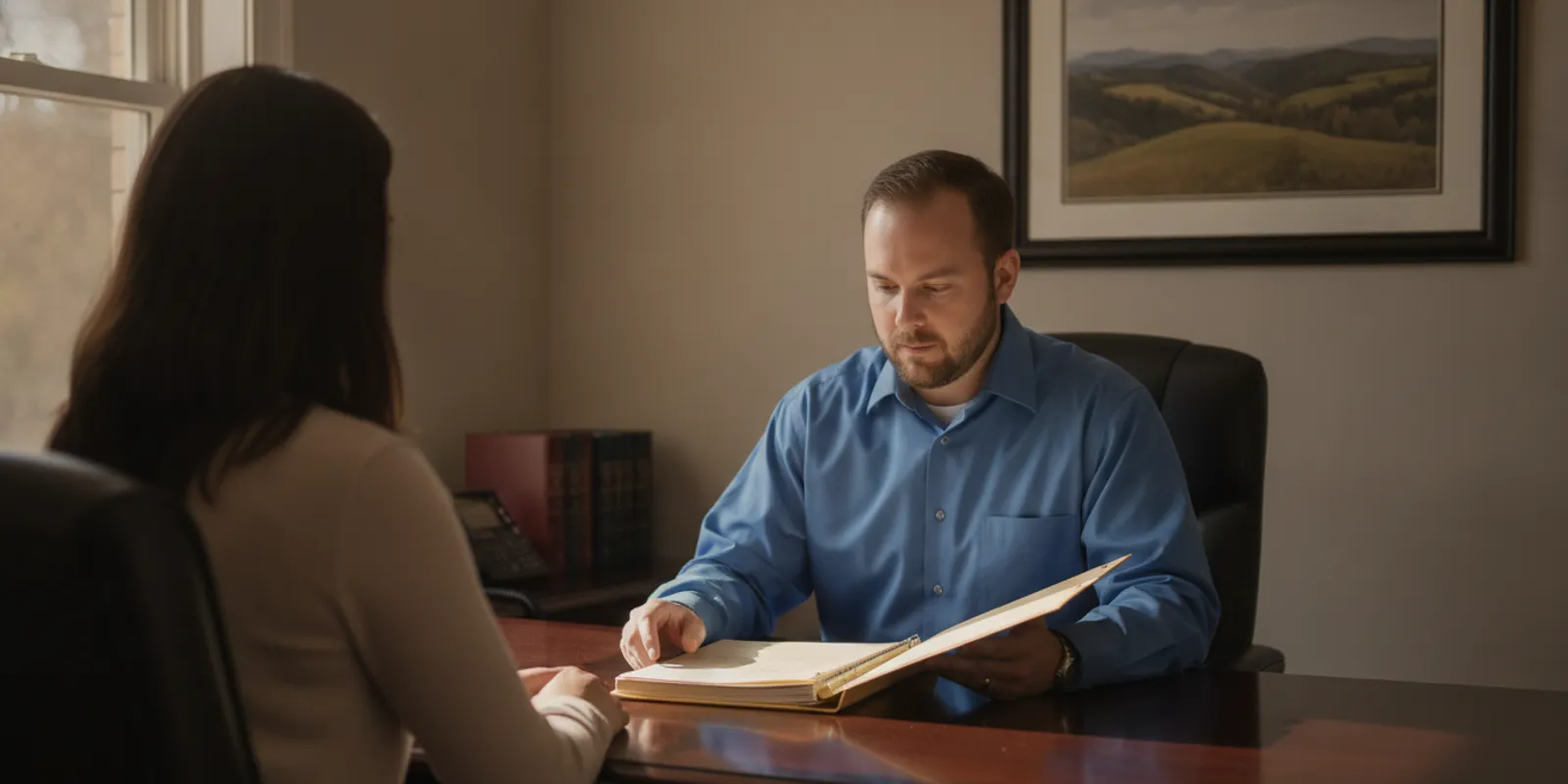
If you are searching for an attorney in Russell County, Virginia, you may be dealing with a criminal charge, a traffic matter, or an injury that has disrupted daily life. It is understandable to have questions about what happens next and whom to call. Letsen Law Firm is a Southwest Virginia solo practice serving Russell County from offices in Abingdon and Tazewell. Michael J. Letsen has experience as a former prosecutor and represents people in criminal defense, DUI and traffic matters, and personal injury cases. Learn more about the firm’s criminal defense representation.
Call Letsen Law Firm to discuss your situation
A first conversation is a chance to explain what happened, ask what the next steps may involve, and learn whether the firm handles the type of matter you face. No lawyer can responsibly promise a particular result without understanding the facts, and every case is different. The information below is general and is not a substitute for advice about your specific circumstances.
What Should You Look For in an Attorney Serving Russell County?
Start by matching the lawyer’s practice to the problem. A criminal charge, a DUI, a reckless driving citation, and an injury claim raise different questions. You want to speak with a lawyer who handles the kind of case you have and can explain the process in language you understand.
It can also help to ask who will handle the work, how you can communicate, and what information the lawyer needs to evaluate your case. In a solo practice, the attorney may personally manage the representation and speak with you directly. Ask how that works in practice, including how to reach the office and what to do if you have a court date or other time-sensitive concern.
Geographic familiarity is another useful consideration. A lawyer who serves Southwest Virginia may be familiar with the region and the practical demands of appearing in local courts. That does not guarantee a particular outcome or replace careful work on the facts and law. It is one factor to discuss along with experience in the relevant case type, communication, and your expectations.
For an initial comparison, write down what you need from counsel rather than relying on a general impression. Consider whether the lawyer handles the relevant type of case, whether the next court or response date can be addressed promptly, and whether the explanation of the process makes sense to you. If you speak with more than one lawyer, ask the same basic questions so you can compare the answers. You can also ask what remains uncertain and what information would help resolve those unknowns. A careful answer may include limits and follow-up questions, not a quick prediction.
Letsen Law Firm serves people in Russell County as part of its broader Southwest Virginia practice. Its two offices are in Abingdon and Tazewell, rather than Russell County. To learn about the firm’s background and approach, see the About Michael J. Letsen page.
What Kind of Legal Help Might You Need?
The right starting point depends on the issue that brought you here. The table below offers a general comparison, not a legal assessment. If more than one issue is involved, mention each one when you speak with a lawyer.
| Situation | Questions to raise | Useful information to gather |
|---|---|---|
| Criminal charge | What charge is listed, what court date or instructions have you received, and what are the next steps? | Charging papers, summons or release paperwork, court notices, and relevant messages or documents |
| DUI or traffic matter | What conduct or test evidence is at issue, and are there separate court or driving-related concerns? | Ticket or charging documents, notices, dates, and your own written account of events |
| Car or truck crash injury | What information should be preserved, who is contacting you, and what may affect an injury claim? | Crash information, photographs, insurer correspondence, medical records or bills, and witness details |
These are examples of topics for an initial discussion, not a checklist that determines whether you have a defense or claim. Do not send sensitive records through an unverified channel. Ask the law office how it prefers to receive documents.
Use the table to organize what you know, not to reach a conclusion about your legal position. For example, a notice may contain both a case number and a date, while a separate release document may include instructions that matter before the hearing. Keep those papers together and flag anything that seems inconsistent or unclear. If you have a criminal matter and an accident claim at the same time, identify both at the beginning of the call. They may involve different records, deadlines, and people asking you for information, so it is useful not to assume that one conversation covers everything.
What Should You Do After a Criminal Charge?
Receiving a charge can be frightening, especially if you have never been involved in the court system. Try to focus first on the instructions and dates in the documents you received. Keep every page together, note any upcoming court appearance, and ask a lawyer promptly if you are unsure what an instruction means. Missing a required appearance or overlooking a deadline can create additional problems.
It is usually helpful to write down your recollection while events are fresh. Record the date, approximate time and place, who was present, what was said, and what you remember happening. Keep the account factual and separate what you personally saw from what someone else told you. Do not alter or delete messages, photographs, call logs, or other materials that may relate to the matter.
A practical way to prepare is to make a simple chronology. Start with the event that led to police contact, then list each later event, such as a call, interview, release, receipt of papers, or contact from a witness. Put approximate times where you do not know exact ones and label them as estimates. Note which details come from your memory and which appear in documents. This helps avoid blending what you learned later with what you remember firsthand. Bring the original papers or clear copies as requested, and keep your own set intact.
Avoid trying to resolve a serious charge by discussing details publicly or posting about it online. If investigators or other people ask you questions, you can seek legal advice about how to respond. Do not assume that a conversation is confidential simply because you are speaking with someone you know. An attorney can explain how to handle communications in your particular situation.
Letsen Law Firm’s criminal defense page describes its work for people facing criminal allegations. Michael Letsen’s former prosecutor background means he has experience with how the state may evaluate and build a criminal case. Each case still depends on its own evidence, procedural history, and legal issues; experience does not assure a specific result.
What If the Issue Is DUI or Reckless Driving?
A DUI allegation can involve several separate pieces of information, such as an officer’s observations, statements, field testing, chemical testing, and the events surrounding a stop or arrest. The details that matter depend on what happened and what evidence exists. Preserve the paperwork and notices you received, make a note of dates, and share an accurate timeline with a lawyer. Avoid guessing at facts or trying to reconstruct a test result from memory when the documents may provide more precise information.
When organizing DUI-related papers, separate the citation or charging documents from any notices about driving privileges, release conditions, or future dates. Do not assume one document answers every question. Make a list of what you received, the date you received it, and any action or appearance mentioned. If a document refers to a deadline you do not understand, point to the exact language when you ask for guidance rather than relying on your own interpretation. A lawyer can review the materials and explain which issues apply to your situation.
Traffic matters also deserve careful attention. The document may identify the alleged offense, a court date, or a response that is required. Read it closely and ask about any part you do not understand. A driving charge may raise concerns beyond the immediate court appearance, but the potential consequences depend on the charge and the individual record. Do not rely on a general online article to predict what will happen in your case.
Letsen Law Firm handles DUI/DWI and reckless driving defense in Southwest Virginia. You can read about the firm’s DUI and DWI defense services and its Virginia reckless driving representation. A lawyer can review the specific accusation, available records, and any upcoming dates with you.
What Should You Do After a Car or Truck Accident?
If you have been injured in a collision, your immediate health and safety come first. Seek appropriate medical care and follow the advice of your health-care providers. Keep copies of records, bills, photographs, repair documents, and correspondence connected to the crash. Write down what you remember and preserve contact information for witnesses if you have it.
Try to keep accident materials in one place, either in a physical folder or a secure digital folder. Use separate sections for medical information, vehicle damage, insurance communications, and expenses. Give files neutral names that include the date, such as the date of a photograph or letter, so you can find them later. Keep the original version of photos and documents when possible. A short running list of questions or missing information is useful, too. For example, note that you need a copy of a report or that you do not yet know a witness’s full contact details.
Insurance companies may contact people after a crash. Keep track of who called, when, and what was requested. Before giving a detailed recorded statement or signing a document you do not understand, consider asking a lawyer to explain the request and its possible significance. This is general guidance, not a rule that applies identically to every claim. What to do can depend on the facts, the policies involved, and the status of the claim.
Do not discard damaged property or assume that an early estimate describes the full impact of an injury. Keep a simple record of treatment dates, work missed, expenses, and changes in your day-to-day activities. Be accurate and avoid exaggeration. A lawyer can help identify what records may be useful and what questions remain unanswered.
For a useful daily record, note the date, the appointments or treatment you attended, the activities that were difficult, expenses paid, and any time away from work. Keep receipts and do not try to make the record sound more dramatic than it was. If your condition changes, add a dated note rather than editing an earlier entry in a way that obscures what you wrote at the time. This kind of organization does not itself establish the value or outcome of a claim, but it can help you recall details accurately when speaking with counsel.
Letsen Law Firm represents people in personal injury matters, including car and truck accidents. The firm’s car accident page explains that area of its practice. You can also read the firm’s general step-by-step guide to personal injury claims for a broader overview.
How Can You Prepare for an Initial Conversation?
You do not need to know every legal term or have a complete file before asking for help. A short, organized account can make the first discussion more productive. Before you call, consider writing down:
- The kind of matter involved and the date it began.
- Any court date, response date, appointment, or other deadline shown in your documents.
- The names of agencies, insurers, or other people who have contacted you.
- The basic sequence of events, using facts you remember rather than conclusions.
- What paperwork, photographs, messages, or records you already have.
- Your main questions and the best way to reach you.
For added clarity, put the most time-sensitive point first. You might say that you have a hearing listed for a particular date, that you received a traffic citation, or that an insurer has asked you to respond. Then give a short account of the background. This order helps the person answering identify an immediate scheduling issue before you spend time explaining less urgent details. If you do not know an answer, say so rather than guessing. You can follow up after checking a document or calendar.
If you are calling about a criminal matter, identify the charge as it appears on the paperwork if you can. If you are calling about an accident, explain whether you are injured and whether an insurer has contacted you. You can ask what the consultation process involves and what information would be useful to provide. Do not send original documents unless the office asks you to do so.
Be candid about details that may seem unfavorable or embarrassing. A lawyer needs an accurate picture to give useful guidance. The conversation is not a test, and asking for legal help does not require you to have everything figured out. If you are not sure whether the firm handles the issue, ask directly.
How Do You Compare Attorneys and Understand the Next Steps?
When you speak with an attorney, notice whether the explanation is clear and whether your questions are addressed. You may want to ask:
- Do you handle this type of case?
- Who will be responsible for my representation and routine communications?
- What should I do about the next date or instruction in my paperwork?
- What additional information would help you evaluate the situation?
- What are the fee arrangement and any expenses, and when would payment be due?
- What can you explain now, and what remains uncertain until you review more information?
Listen for a careful explanation of both what is known and what is not known. A responsible attorney should not guarantee a result. In many matters, an initial conversation can identify immediate concerns and outline what further review may be needed, but it cannot replace examining the evidence and applicable law.
It may help to write down the answers after the call, especially any next steps, documents to locate, or questions that require follow-up. If you are comparing representation options, confirm the scope of the work and the fee terms before deciding. Ask whether the agreement describes court appearances, communications, or other tasks you expect to be included. Do not assume that two fee proposals cover the same work just because their descriptions sound similar. Request clarification in plain language and take time to understand the terms before signing.
For an additional starting point, Cornell Law School’s Legal Information Institute provides a directory of criminal attorneys listed for Russell County, Virginia. A directory is not an endorsement and does not establish that a lawyer is right for a particular case. Confirm directly that an attorney handles your type of matter, is available, and can explain the terms of representation.
Why Consider a Southwest Virginia Attorney?
People often want an attorney who understands the region where they live and can talk with them in a straightforward way. Letsen Law Firm is rooted in Southwest Virginia and serves communities including Russell County, Washington County, Tazewell County, Buchanan County, Smyth County, Bristol, and Marion. The firm has offices in Abingdon and Tazewell. Its local service area may be relevant if you want to discuss a matter without starting with a distant, unfamiliar office.
For someone in Russell County, the fact that an office is not in the same town is only one practical question. Ask where meetings can take place, how you should deliver materials, and what communication method is appropriate for urgent updates. If travel is a concern, ask whether a phone conversation can cover an initial question or whether an in-person meeting is needed. Do not assume that a particular court appearance, meeting format, or schedule applies; the answer depends on the matter and the attorney’s arrangements.
Michael J. Letsen is a former Buchanan County prosecutor. That experience can inform how he evaluates a criminal case and considers how the state may approach it. The firm’s stated approach is honest legal analysis, reliable representation, and compassionate counsel. Someone accused of an offense deserves to be heard without judgment, and an injury client deserves a clear explanation of the issues affecting a potential claim.
Location and background are only part of the decision. Ask questions about the specific matter, communication, experience, and fees. If you would like to understand the firm’s general scope, its practice areas page provides an overview. You can also review the firm’s frequently asked questions.
Call to talk with Letsen Law Firm about your next step
Frequently Asked Questions
Does Letsen Law Firm serve Russell County?
Yes. Letsen Law Firm serves Russell County as part of its Southwest Virginia practice and has offices in Abingdon and Tazewell. Contact the firm to discuss whether it handles the particular legal matter you are facing.
What types of cases can I ask the firm about?
The firm focuses on criminal defense, DUI/DWI and traffic defense, and personal injury representation, including car and truck accidents. Explain the issue when you contact the office so it can confirm whether the matter fits its practice.
What should I bring to a first consultation?
Gather the paperwork related to the matter, any notices with dates or instructions, and a brief written timeline. For an injury matter, you may also want to collect crash information, photographs, bills, and insurer correspondence. Ask the office how it would like you to provide documents.
Can an attorney promise a particular result?
No responsible attorney can guarantee an outcome. The result depends on the facts, evidence, law, and decisions made during the case. A lawyer can review the details and discuss possible next steps without promising what a court, insurer, or other party will do.
Talk with Letsen Law Firm About Your Situation
If you are trying to decide what to do after a charge, traffic matter, or injury in Russell County, you do not have to sort through every question alone. Gather the documents you have, note any important dates, and contact the office to ask whether it can help with your matter.
Call Letsen Law Firm to discuss your case
This article provides general information, not legal advice. The facts and deadlines in your situation may be different, so speak with an attorney about your circumstances.