Truck Accident Lawyer Virginia: How a Claim Works
By The Letsen Law Firm
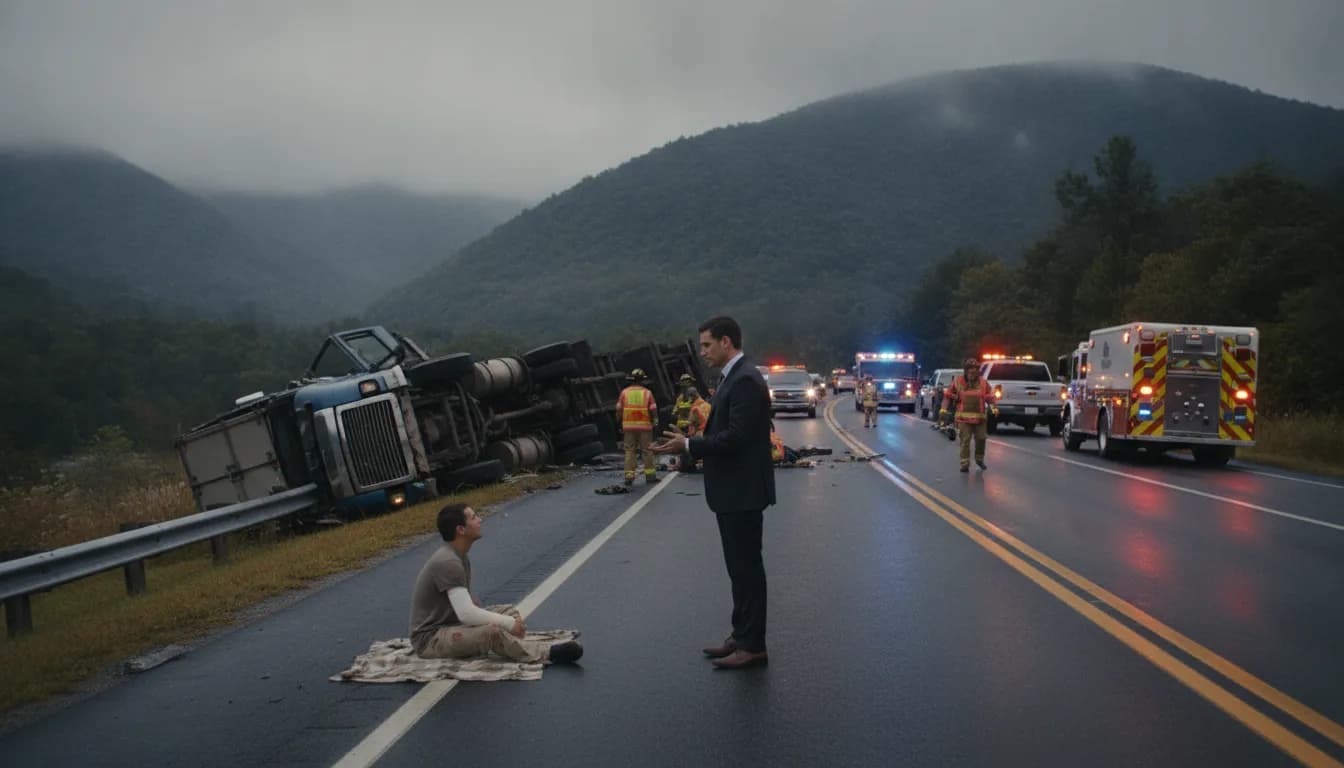
A collision with a commercial truck can leave you facing more than vehicle damage and medical bills. The claim may depend on what the driver did, how the trucking company supervised the trip, whether cargo was loaded safely, and which records still exist.
A truck accident lawyer virginia claim is often more complex than a standard car accident claim because it may involve multiple insurance policies, potentially responsible parties, and federal trucking requirements. The investigation may include electronic logging device data, driver logs, maintenance records, and other evidence that can disappear or change over time.
Those differences do not mean a truck company or driver is automatically responsible. They mean the facts need to be gathered carefully before anyone reaches a conclusion. Understanding how the claim is investigated is the first step toward protecting your position after a serious crash.
Call Letsen Law Firm to schedule an initial case consultation.
How a truck accident lawyer in Virginia builds a commercial claim
A commercial truck may look like a larger version of a car. The claim can involve a different investigation from the start. The driver may be only one part of the story. A trucking company, cargo loader, maintenance provider, vehicle manufacturer, or more than one insurer may have information that helps explain what happened. That does not mean every possible party is responsible. It means the facts should be examined before responsibility is assigned.
Federal trucking rules and business records can also matter. Depending on the circumstances, an investigation may involve driver qualification materials, vehicle maintenance, cargo handling, electronic records, and the company's response after the collision. Commercial policies may involve multiple entities and higher insurance limits, which can make communications and negotiations more complicated. The general distinction is summarized below.
| Issue | Standard car claim | Commercial truck claim |
|---|---|---|
| People and businesses involved | Often centers on the drivers and their insurers. | May require examining the driver, carrier, cargo loader, maintenance provider, or manufacturer. |
| Rules and records | Usually focuses on traffic laws, crash reports, photographs, medical records, and witness accounts. | May also involve federal trucking requirements, electronic logging device data, driver logs, maintenance records, and company files. |
| Insurance | May involve the driver's personal policy and other applicable coverage. | May involve commercial coverage held by more than one entity, with policy terms that require careful review. |
| Investigation | May be handled through a relatively direct exchange between the injured person and an insurer. | May involve separate business interests, insurers, records custodians, and defense representatives. |
These differences are why early organization matters. Important information may sit with a carrier or another company rather than with the person who was driving. Useful evidence can include ELD data, driver logs, maintenance records, and witness statements. The investigation should also account for the truck's markings, the carrier's identity, and how cargo was loaded or secured. Those details can help identify which records and policies deserve attention.
A careful claim does not assume that a company, driver, or manufacturer is liable simply because it is connected to the crash. Instead, it compares the physical evidence, statements, records, and applicable rules. If you are comparing your situation with a regular collision, you can review information about a car accident attorney and the firm's truck accident representation in Southwest Virginia. The goal is to understand the investigation needed for your specific facts, not to promise a particular result.
For a broader explanation of organizing evidence and damages, see how to build your personal injury claim. Later sections address the possible parties, trucking rules, records, injuries, and practical steps after a crash.
Who May Be Responsible After a Commercial Truck Crash?
Responsibility after a commercial truck crash should be investigated, not assumed. The person behind the wheel may be one part of the story. But the evidence may point to decisions made by a carrier, a loading company, a maintenance provider, or another business. A careful review is important before anyone reaches a conclusion about who may be legally responsible.
The driver and motor carrier
The driver may be a focus of the investigation if the collision involves alleged fatigue, distraction, impairment, speeding, or another driving concern. That does not mean the driver is automatically responsible. The circumstances, available records, and other evidence must be evaluated together.
The motor carrier may also need to be examined. Investigators may look at hiring, training, supervision, scheduling, dispatch decisions, safety practices, and compliance with applicable maintenance requirements. Commercial motor vehicle cases can require an investigation into the carrier's safety culture and adherence to federal maintenance standards. These issues can matter even when the driver's conduct alone does not explain what happened. Learn more about potential parties in a Virginia truck accident investigation.
Cargo, maintenance, and equipment
Cargo loaders may be relevant when freight was improperly distributed, secured, or handled. Federal responsibility for properly securing cargo means that loading practices can become an important part of the liability analysis. A shift in the load or a failure of a restraint may contribute to a loss of control. But whether that occurred depends on the physical evidence and the records available.
A maintenance provider may also be investigated if a brake, tire, steering, lighting, or other equipment problem contributed to the crash. The vehicle manufacturer could become relevant if a design or manufacturing defect is supported by the evidence. These possibilities are not conclusions. They are investigation paths that may help explain whether a mechanical condition existed, who knew about it, and who had responsibility for addressing it.
Why insurance can involve several entities
Commercial truck claims can involve more than one insurance policy or insurer. Coverage may be connected to the motor carrier, the truck owner, a leasing arrangement, a cargo-related business, or another commercial entity. The policies may have different terms, exclusions, and limits. As a result, identifying every potentially relevant policy can be as important as identifying every potentially responsible party. Commercial insurance may involve multiple entities and policies, which can make the claim process different from a typical two-car collision. Commercial truck claims may involve higher insurance limits and multiple potentially liable parties.
The trucking company's insurer may begin its investigation quickly. Preserve photographs, vehicle markings, medical records, and other available information, and be cautious about giving a recorded statement or accepting an early resolution before the claim is understood. A truck accident lawyer in Virginia can review the available evidence, identify questions that remain open, and help determine which parties and policies should be included. The proper answer depends on the facts, not on the size of the truck or the number of insurance companies involved.
Which Trucking Rules and Records Can Affect Your Claim?
A commercial truck crash may require more than a review of the traffic collision report. Depending on the facts, the investigation may include federal motor carrier safety rules, driver qualification materials, testing records, hours-of-service information, and the carrier's maintenance history. These rules do not automatically establish fault, and not every rule applies to every collision. Their relevance depends on what happened, who controlled the vehicle, and how the evidence connects to the crash.
Federal testing rules may provide part of the record
The Federal Motor Carrier Safety Administration describes several categories of controlled-substance and alcohol testing for commercial motor vehicle drivers. The categories include pre-employment, reasonable-suspicion, post-accident, random, return-to-duty, and follow-up testing. The FMCSA explains the purpose and implementation of these categories in its drug and alcohol testing implementation guidelines.
Testing rules are designed to deter and detect controlled-substance abuse and to help ensure that commercial drivers operate without impairment. A testing record, a failure to follow a required testing process, or other related information may become relevant when impairment or compliance is part of the claim. That does not mean a test result alone answers every legal question. Timing, accuracy, chain of custody, medical information, and the circumstances of the collision all matter.
Safety records do not tell the whole story by themselves
The FMCSA's Crash Preventability Determination Program is another part of the regulatory landscape. Under the program, certain crashes that the agency determines were not preventable may be removed from the carrier's Safety Measurement System. The agency's Crash Preventability Determination Program FAQs explain how that process works.
An agency safety determination is not the same as a complete Virginia liability decision. A crash record, inspection history, or preventability review may provide context. But the claim still requires a fact-specific examination of the collision, the driver's conduct, the carrier's conduct, and the injuries involved. A favorable or unfavorable safety record should not be treated as automatic proof of responsibility.
Electronic and physical records can help reconstruct events
Evidence in a commercial truck claim may include electronic logging device data, driver logs, maintenance records, and witness statements. These materials can help establish what the driver and vehicle were doing before the crash. Whether required inspections or repairs were documented, and what people at the scene observed. The records may also help test competing accounts of speed, rest, vehicle condition, or the sequence of events.
Early preservation matters. Some electronic information may be overwritten or destroyed if it is not preserved promptly. A careful investigation may therefore identify the carrier, vehicle owner, maintenance provider, and other record custodians, then request relevant materials before they disappear. It may also compare records against photographs, the police report, medical documentation, physical damage, and witness accounts.
These issues are why a truck accident lawyer in Virginia may need to investigate both the collision and the trucking operation behind it. The rules and records are tools for understanding what happened, not shortcuts to a guaranteed result. General information cannot determine how these principles apply to a particular crash, so an individual claim should be reviewed with a qualified Virginia attorney.
Why Truck Crashes Can Cause Serious, Long-Term Injuries
A collision with a commercial truck can affect far more than the days immediately following the crash. The size and weight of the vehicles involved may leave an injured person facing serious injuries, substantial medical bills, and a recovery that takes months or longer. Some conditions are clear at the scene. Others become easier to recognize only after swelling decreases, imaging is completed, or normal activity exposes the full effect of the injury.
Medical care should come first. Follow the treatment plan provided by your doctors, attend recommended follow-up appointments, and tell your providers about changes in pain, movement, sleep, concentration, or mood. A person may need emergency treatment, imaging, surgery, physical therapy, medication, counseling, or other care. Do not assume that feeling better for a short time means the injury is fully resolved. Your medical team is in the best position to evaluate your condition.
Documenting the full effect of the injury
Good documentation helps show what happened and how the collision changed your life. Keep copies of medical records and bills, but also track appointments, medications, symptoms, restrictions, and recommended future care. Save receipts for reasonable accident-related expenses. If your doctor limits lifting, driving, standing, or other activities, keep those instructions in your records and follow them.
It is also useful to document practical changes that may not appear on a medical bill. An injury can interfere with work, reduce earning ability, or make ordinary household tasks difficult. You may need help with transportation, child care, cooking, cleaning, or personal care. A family member's time and the loss of your ability to participate in activities can be important parts of understanding the harm. Even when those effects are difficult to measure.
Economic and non-economic losses
Depending on the evidence and whether liability is established, a Virginia personal injury claim may involve economic losses such as medical expenses, lost income, and future treatment needs. It may also involve non-economic losses related to pain, emotional distress, reduced enjoyment of life, or lasting limitations. These categories are general descriptions, not a promise that any particular claim will result in compensation. The available damages depend on the facts, proof, applicable law, and the parties legally responsible.
Insurance companies may contact an injured person quickly and present a settlement before the long-term picture is known. A fast offer may not account for future treatment, time away from work, or continuing limitations. Be careful about giving a recorded statement, signing a release, or accepting money before you understand what the agreement resolves. An experienced truck accident lawyer in Virginia can review the circumstances, explain the issues that need documentation, and help you make an informed decision without promising a specific outcome.
What Should You Do After a Truck Accident in Virginia?
The first hours after a commercial truck crash can be confusing, especially if you are hurt or trying to help someone else. Focus on safety and medical care first. Then preserve the information that may help explain what happened. Commercial claims can involve more than the truck driver, and important records may not remain available indefinitely. These general steps can help you protect your health and preserve useful evidence while you consider whether to speak with a lawyer.
- Call emergency services and get medical attention. Call 911 when anyone is injured, the roadway is dangerous, or emergency help is needed. Accept evaluation at the scene when appropriate, and seek follow-up care for symptoms that appear later. Do not assume that feeling well immediately means you have no injury. A medical record can also document what you reported and the care you received.
- Report the crash and cooperate with the official investigation. Give the responding officer an accurate account of what you remember. Ask how to obtain the crash report and write down the report number if one is available. Avoid guessing about speed, fault, or details you did not personally observe. A careful statement is more useful than a rushed conclusion.
- Document the scene only if it is safe. If your condition and the surroundings permit, photograph the vehicles, roadway, traffic controls, visible damage, debris, weather conditions, and your injuries. The truck's markings and company information can be especially important. Guidance on documenting a truck accident scene also emphasizes preserving these details. Do not walk into traffic or delay emergency care to take pictures.
- Record truck, company, and witness details. Note the truck's license plate, identifying numbers, carrier name, trailer markings, and the driver's name and insurance information when available. Collect names and contact information for witnesses. Do not confront the driver or speculate with other people at the scene. If you cannot gather the details yourself, ask a trusted person to help.
- Keep your medical care and related records organized. Follow your provider's instructions and attend recommended appointments. Save bills, prescriptions, discharge paperwork, referrals, work-related documentation, and a simple record of symptoms and limitations. Tell providers about changes in your condition. Gaps in care can raise questions, while consistent documentation helps show how the crash affected your daily life.
- Be cautious with insurance communications. Notify your own insurer as required by your policy. But do not guess about facts or agree to a recorded statement, release, or settlement before understanding what it covers. A trucking insurer may begin its investigation quickly. Do not post about the crash or your injuries on social media. Keep copies of letters, emails, forms, and voicemail messages.
- Request legal review before important evidence disappears. Truck investigations may involve electronic logging device data, driver logs, maintenance records, company information, and witness statements. Some electronic records can be overwritten or destroyed if they are not preserved early, as noted in this overview of evidence in Virginia truck cases. A lawyer can review the circumstances, identify possible sources of evidence, and explain options without assuming that any particular party is responsible. For a broader explanation of how counsel may build your personal injury claim, review the related guide. Deadlines and claim requirements can depend on the facts, so seek advice promptly rather than relying on a universal timeline.
How Letsen Law Firm Helps Southwest Virginia Crash Victims
A commercial truck claim can require more than a review of the police report and a conversation with one insurance adjuster. The investigation may involve the driver, trucking company, cargo handling, maintenance, vehicle condition, electronic records, and more than one insurance policy. You deserve a lawyer who will take the time to understand those details and explain what they mean for your case.
Letsen Law Firm is a focused, locally rooted solo practice serving injured people across Southwest Virginia. Michael J. Letsen provides direct attorney-client communication rather than passing your case through a large team. That personal approach matters when you have medical appointments, lost income, difficult questions, and an insurance company seeking information about the crash.
Personal attention for a complicated investigation
Letsen Law Firm can evaluate the available evidence, identify the parties and policies that may need to be examined, and help preserve records relevant to the collision. Depending on the circumstances, that may include driver logs, electronic logging device data, maintenance materials, cargo information, photographs, witness accounts, and communications from insurers. The purpose is not to assume that any person or company is responsible. It is to develop an honest picture of what happened before decisions are made about a claim.
The firm's approach is also grounded in local knowledge. Letsen Law Firm serves communities in Washington, Tazewell, Smyth, Russell, and Buchanan counties, along with nearby Southwest Virginia communities. Familiarity with the region and its courts can provide useful context while your lawyer builds a claim based on the facts. Applicable Virginia law, and the evidence available in your specific collision. Learn more about truck accident representation in Southwest Virginia.
A direct, compassionate path forward
Michael J. Letsen's background as a former Buchanan County prosecutor is another part of the firm's perspective. That experience informs how he evaluates evidence and understands the way the state builds cases. It does not guarantee a result, and every personal injury claim must stand on its own facts. You can expect straightforward legal analysis, reliable representation, and respectful guidance without being treated like a case number.
Letsen Law Firm represents car and truck accident victims on a contingency fee basis, with no upfront costs for clients, as described on the firm's truck accident page. The financial terms of representation should still be discussed during your consultation so you understand how they apply to your matter. If you are deciding whether to speak with a truck accident lawyer in Virginia, an early conversation can help you understand the questions that require attention.
Contact Letsen Law Firm to discuss your truck accident claim
Frequently Asked Questions
What makes a commercial truck accident claim different from a car accident claim?
A commercial truck claim may involve federal trucking regulations, multiple insurance policies, and more than one potentially responsible party. The investigation can therefore require records and analysis that are less common in a standard two-car collision, including driver logs, electronic logging device data, and maintenance records. Learn more about these claim differences.
Who may be responsible for a truck crash in Virginia?
Depending on the facts, an investigation may examine the truck driver, trucking company, cargo loader, maintenance provider, vehicle manufacturer, or another party. That does not mean each party is liable. Responsibility must be evaluated from the evidence, including how the truck was operated, loaded, maintained, and managed.
What evidence should be preserved after a commercial truck accident?
When it is safe to do so, preserve photographs, truck markings, company information, witness contacts, and medical records. Important commercial-trucking evidence may also include electronic logging device data, driver logs, and maintenance records. Early legal review can help identify records that need to be requested or preserved. See examples of evidence used in truck investigations.
How long do I have to file a truck accident lawsuit in Virginia?
Virginia generally provides a two-year statute of limitations for personal injury claims, but the deadline can depend on the parties and facts involved. Do not assume the general period applies without review. Promptly discuss the collision with a Virginia attorney so potential deadlines and evidence-preservation issues can be evaluated. Review the general timing information.
Schedule a Conversation About Your Truck Accident
A commercial truck accident claim may involve more records, insurance policies, and potentially responsible parties than a typical car accident claim. A careful review can help you understand what information matters and what options may be available under your circumstances.
Call Letsen Law Firm to schedule an initial case consultation.
For victims in Southwest Virginia, direct legal guidance can provide a clearer path forward while you focus on your recovery.