
Virginia Car Accident FAQ: Your Most Common Questions Answered
By The Letsen Law Firm
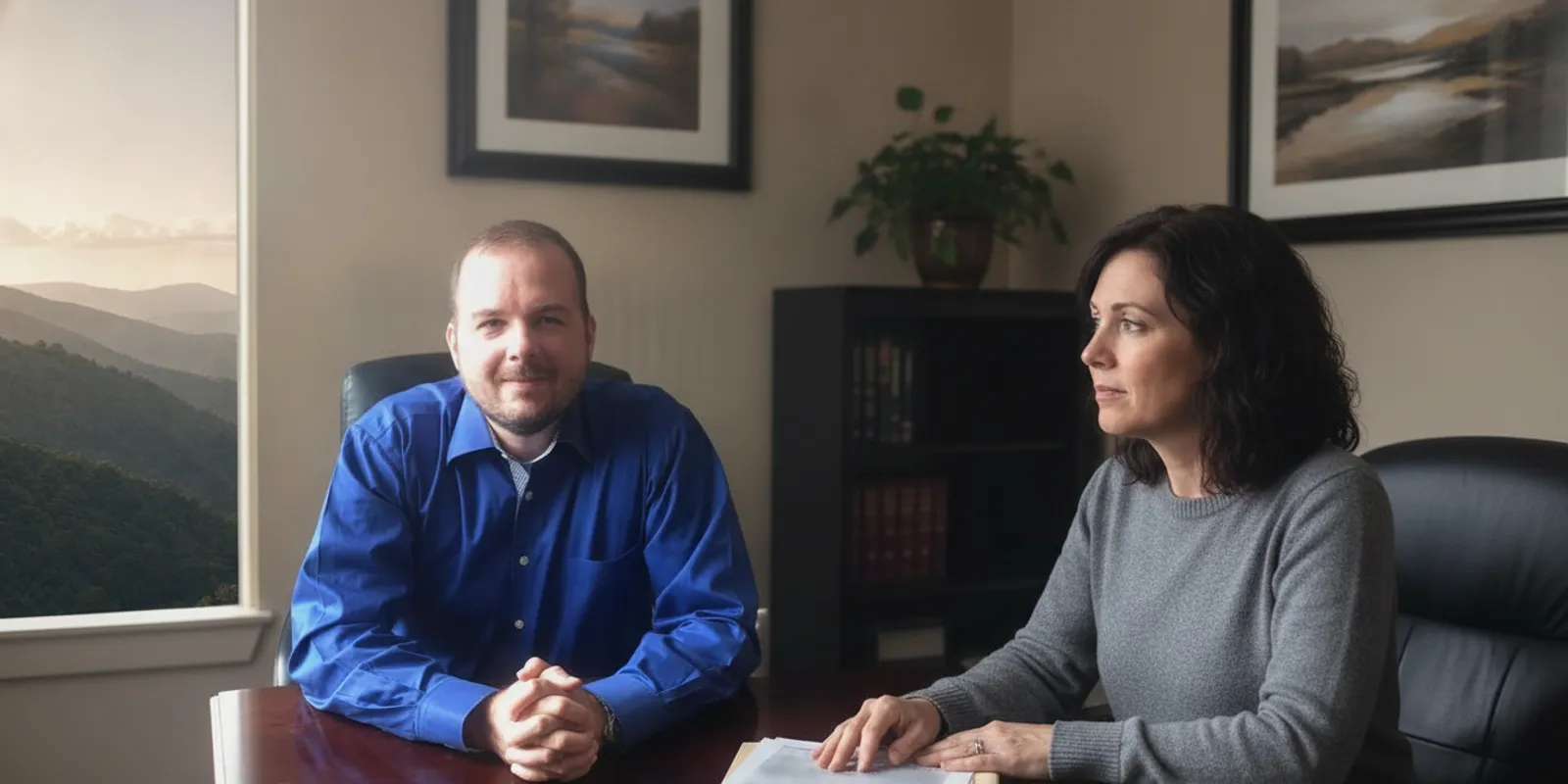
If you are searching for a virginia car accident attorney faq, you may be trying to sort out medical care, insurance calls, fault, or a claim deadline while still dealing with the effects of a crash. These answers offer a practical starting point for people in Virginia, including Southwest Virginia. Every collision is different, so use this guide as general information, not a decision about what will happen in your particular case.
Contact Letsen Law Firm to discuss your situation
Call Letsen Law Firm to discuss your next step
What should I do after a car accident in Virginia?
Start with safety and medical needs. If anyone is hurt or there is an immediate danger, call 911. Move out of traffic if it is safe to do so. Follow instructions from emergency responders, and do not put yourself in danger to gather photographs or documents.
When the immediate situation allows, exchange identifying and insurance information with the other driver. Get names and contact information for witnesses if they are willing to provide it. Note the location, time, weather, road conditions, direction of travel, and any details you may not remember later. Photographs can help preserve the scene, vehicle positions, visible damage, traffic controls, and road conditions. Do not interfere with an investigation or argue about blame at the scene.
Seek medical attention for injuries or symptoms, even if they do not seem severe at first. Tell the medical provider what happened and describe your symptoms accurately. Keep copies of discharge instructions, appointment records, bills, and any work absence information. If you later notice new or worsening symptoms, follow up with a medical professional.
Virginia's Department of Motor Vehicles publishes statewide crash information. Its 2023 report describes a traffic crash occurring about every 4.1 minutes in Virginia; this is statewide context, not a prediction about any one collision or claim. Read the Virginia DMV's 2023 Traffic Crash Facts.
Do I have to call the police after a crash?
Call 911 when someone may be injured, there is a hazard, or emergency help is needed. Police may document the scene and gather information, but an officer's report does not necessarily decide legal fault or prove every detail of a claim. If officers respond, note the agency and any report or incident number they provide. Ask how to obtain the report later.
If police do not come to the scene, write down what happened while your memory is fresh and preserve the information you exchanged. Virginia reporting duties can depend on the circumstances, including the type and severity of a crash. Do not assume that the absence of an officer means there is nothing else you need to do. If you are uncertain about a reporting requirement, check with the appropriate Virginia agency or ask an attorney about your specific situation.
What information should I exchange and preserve?
Exchange names, contact details, driver and vehicle information, and insurance information. If safe, record the license plate and take photographs. Avoid guessing about speed, distance, or fault. You can be courteous without making a statement about who caused the crash.
Preserve documents and records that may help explain what happened and how it affected you. Depending on the crash, useful materials may include:
- Photographs and videos from the scene, vehicles, and visible injuries.
- Names and contact information for witnesses.
- The police report number and any paperwork from responding agencies.
- Medical records, instructions, bills, and appointment information.
- Insurance correspondence, claim numbers, and the names of people who contact you.
- Receipts and records of missed work or other accident-related expenses.
- Notes about symptoms, limitations, and how they change over time.
Keep the original files where possible, and make a backup. Do not edit photographs in a way that changes their substance. If a vehicle may contain relevant electronic data, ask a lawyer promptly about preserving it before repairs or disposal. What matters will depend on the facts of the collision.
Should I talk to the other driver's insurance company?
You may need to report the crash to your own insurer under the terms of your policy. Review your policy and follow its notice requirements. When an insurer contacts you, get the caller's name, company, claim number, and reason for the call. You can ask for a request in writing and take time to understand what is being requested.
An insurer may ask questions, request records, or seek a recorded statement. Be truthful, but do not speculate or state that you know facts you do not know. A quick conversation can be hard to correct if your understanding changes as more information becomes available. You do not have to decide whether to accept a proposed resolution during the first call. Before signing a release or accepting money, make sure you understand what the document resolves and whether it could affect other parts of your claim.
For a more detailed discussion of adjuster communications, see this guide to legal advice after a traffic accident. The right approach depends on the policy, the claim, and the information the insurer is seeking.
Who is at fault in a Virginia car accident?
Fault is decided from evidence and applicable law, not simply from the fact that a collision occurred or from one person's first impression at the scene. Investigators, insurers, and in some cases a court may consider such things as the drivers' accounts, witness statements, photographs, vehicle damage, roadway conditions, and available records.
Virginia follows a contributory-negligence rule in many personal injury cases. In general terms, a person's own negligence may prevent recovery if it contributed to the injury. Applying that rule requires a careful look at the facts and legal issues; it is not enough to assume that a person is barred because an insurer says so. There may be disputes about what happened, whether conduct was negligent, and whether it contributed to the harm. Do not make a legal conclusion about your claim based only on an initial insurance conversation.
Preserve information that may clarify the sequence of events. For example, the position of vehicles, a traffic signal, visibility, road surface, and witness observations might matter. If you think you may have made a mistake, do not hide facts or alter evidence. A lawyer can review the available information and explain how the law may apply without treating an allegation as a final answer.
What if the other driver says the crash was my fault?
Stay calm and avoid arguing at the scene. Do not apologize in a way that could be misunderstood as accepting legal responsibility, but do not lie or withhold required information. Exchange information, cooperate with responding officials, and make your own factual notes afterward. If there are witnesses, ask for their contact information without pressuring them about what to say.
One driver's accusation does not establish the full account. If you receive a denial or a statement that you share fault, ask the insurer to explain its position and identify the information it relied on. Save the communication. An attorney can assess disputed liability, evidence gaps, and possible next steps. For an overview of representation after a collision, visit the firm's Virginia car accident representation page.
What if I was partly responsible?
Be candid when describing the collision to your lawyer and medical providers. Your lawyer needs accurate facts, including details that may seem unfavorable, to evaluate risks and identify evidence that could clarify what happened. Do not delete messages, photographs, or posts related to the crash. Do not ask another person to change an account.
In Virginia, contributory negligence can make a partial-fault question especially important. The legal analysis is not a percentage calculation that can safely be done from a short online description. The evidence and the connection between the conduct and the injury matter. Avoid assuming either that a small mistake automatically decides the case or that the other driver's conduct makes your own actions irrelevant. Get advice about the facts rather than relying on a general answer.
How long do I have to bring a car accident claim?
There are legal filing deadlines, and they can depend on the type of claim, the people involved, and the circumstances. Personal injury and property damage claims may have different time limits. Special rules can apply when a government entity, a minor, or another legally distinct situation is involved. The time to notify an insurer under a policy is a separate issue from a court filing deadline.
Do not wait until you think a deadline is close to ask. Evidence can be lost, witnesses can become harder to reach, and treatment or repair records may take time to collect. A lawyer can identify which deadlines may apply and whether any special notice steps are relevant. This article does not calculate a deadline for your case, and a general web answer should not replace an individual review.
What damages might be part of a car accident claim?
Depending on the evidence and the legal issues, a claim may involve medical expenses, lost income, vehicle damage, and other losses connected to the collision. The nature and amount of any recoverable loss depend on the particular facts, available documentation, applicable law, and issues such as liability. There is no reliable way to determine the value of a case from a brief description or a single expense.
Keep a clear record of expenses and their connection to the accident. Save bills and receipts, and keep information about missed work or changes to your usual activities. Medical providers make decisions about care; do not delay or stop treatment simply to build a claim. If you are unsure what documentation to keep, ask your provider or attorney. For a broader overview of injury claims, read the personal injury claims step-by-step guide.
What does a car accident attorney do?
An attorney may review the available facts, explain relevant legal issues, communicate with insurers, help identify records or witnesses, and discuss possible ways to resolve a dispute. Whether a particular step makes sense depends on the case. An attorney cannot promise a result, and no two claims are exactly alike.
A useful first conversation can focus on what happened, what injuries or property damage you know about, what communication you have received, and what questions are most urgent. You do not need to know the legal terminology. Bring or have available any crash report information, insurance letters, photographs, and medical documents you already have. Do not delay necessary medical care or ignore a time-sensitive notice while gathering paperwork.
Letsen Law Firm represents people in personal injury matters involving car and truck accidents in Southwest Virginia. The firm has offices in Abingdon and Tazewell. To learn more about the attorney and the firm's approach, visit the Letsen Law Firm attorney information page.
What should I have ready before speaking with an attorney?
You can make the conversation more focused by preparing a short timeline and collecting what is readily available. You do not need a complete file before you reach out. Consider noting:
- When and where the crash occurred, and the basic sequence as you remember it.
- Who was involved and whether police, fire, or medical responders came to the scene.
- Any symptoms, treatment, or changes in your ability to work or manage daily tasks.
- What each insurance company has said or requested, including important dates.
- Whether you have photos, witness contact information, a report number, or repair estimates.
- Your main questions, such as a deadline, a release, a coverage issue, or a liability dispute.
If you do not know an answer, say so. It is better to identify an uncertainty than to guess. If an insurer gives you a deadline to respond, mention that at the start of the conversation so it can be considered promptly.
Which next step should I take first?
| Your situation | Practical next step | Why it may help |
|---|---|---|
| Someone may be injured or the scene is unsafe | Call 911 and follow emergency responders' directions | Safety and medical attention take priority over claim paperwork |
| You have symptoms or a possible injury | Contact a medical professional and keep care records | Health needs should be evaluated, and records can document care |
| An insurer is asking questions or sending forms | Record who contacted you, save the request, and understand it before responding or signing | Clear records help you track what was requested and avoid rushed decisions |
| Fault is disputed or you are unsure about a legal deadline | Collect the basic documents and ask a Virginia attorney about the specific facts | Liability rules and deadlines depend on the circumstances |
This table is a general guide, not a substitute for urgent medical care, emergency services, or case-specific legal advice. If more than one situation applies, prioritize safety and medical needs, then address time-sensitive communications and legal questions.
Call to discuss a Virginia car accident question
Frequently Asked Questions
Should I get medical care even if I feel mostly fine?
If you have symptoms or are concerned about an injury, contact a medical professional. Some symptoms may appear or change after the collision. A clinician can assess your health and advise you about care. Seek emergency help for urgent or severe symptoms.
Do I need a police report to make an insurance claim?
Not every insurance claim depends on a police report, but a report may contain useful information. An insurer may have its own documentation requirements. Ask the insurer what it needs, preserve your other evidence, and request the report if one was made.
Can I still ask a lawyer questions if I have not finished treatment?
You can ask about legal questions while treatment is ongoing. You do not need to wait until you are fully recovered to seek general guidance about an insurer request, evidence, or a possible deadline. An attorney can explain what is and is not possible to evaluate at that stage.
Should I post about the crash online?
Be cautious about sharing details, opinions, or photographs related to a pending insurance matter or possible claim. Online content can be taken out of context. Keep relevant records, avoid altering or deleting evidence, and ask a lawyer about a specific concern.
Does a free consultation mean the firm will take my case?
No. A consultation is a chance to discuss the situation and ask questions; it is not a promise that the firm will accept representation or that a claim will succeed. The facts, legal issues, and the firm's ability to take the matter all need to be considered.
Contact Letsen Law Firm about your accident questions
Talk with Letsen Law Firm About Your Situation
A crash can leave you with questions that a general FAQ cannot resolve, especially when fault is disputed, an insurer is requesting a statement or release, or you are unsure about a deadline. Keep the information you have, take care of your health, and ask for advice that considers your circumstances. Letsen Law Firm provides personal injury representation in Southwest Virginia, including from its Abingdon and Tazewell offices.
Call Letsen Law Firm to discuss your car accident questions
One mistake should not define your future, and getting clear information can help you decide what to do next.