
Charged With Intent to Distribute? How Quantity and Packaging Are Used Against You
April 30, 2026
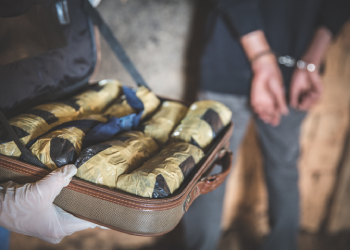 Facing a charge involving drug distribution can feel overwhelming, especially when the allegations go beyond simple possession. Prosecutors often seek to build a stronger case by pointing to factors suggesting intent rather than personal use.
Two of the most common pieces of evidence they rely on are the quantity of substances involved and how those substances are packaged. These details can significantly affect how a case is charged and how it proceeds through the legal system.
The firm's strategic attorney recognizes how quickly a situation can escalate when intent to distribute is introduced and works with clients to address the legal challenges tied to drug distribution charges.
The legal team at The Letsen Law Firm works with individuals facing serious drug distribution allegations in Abingdon and Tazewell, Virginia, while also serving clients in Bristol, Smyth County, and Russell County. Contact a trusted attorney today to fight for your rights.
How Intent to Distribute Is Determined
When someone is accused of drug distribution, the focus often shifts from what was found to what law enforcement believes the person planned to do with it. Intent isn’t always proven through direct evidence. Instead, it’s usually inferred from surrounding circumstances. Several factors may be considered when determining intent:
Quantity of substances found: Larger amounts lead prosecutors to argue that the drugs weren’t for personal use.
Packaging methods: Items divided into smaller portions may be viewed as prepared for sale.
Presence of paraphernalia: Scales, baggies, or cash can suggest distribution activity.
Statements or behavior: Actions during an arrest or prior communications may also be used as evidence.
As these elements come together, law enforcement builds a case that shifts the charge from possession to drug distribution, which typically carries more severe penalties.
Why Quantity Plays a Significant Role
As the case develops, the amount of a substance becomes one of the most heavily debated points. Quantity alone doesn’t always prove drug distribution, but it can strongly influence how charges are filed.
Prosecutors often rely on threshold amounts established by law. When a person is found in possession of more than a certain quantity, it may trigger a presumption of intent to distribute. However, these thresholds don’t always reflect individual circumstances. In many cases, the defense challenges how the quantity is interpreted by focusing on:
Personal usage patterns: Some individuals purchase larger amounts for personal use.
Lack of additional evidence: If no packaging materials or scales are present, the argument for drug distribution may weaken.
Context of possession: The location and situation in which the substances were found can also matter.
Because quantity is often used as a starting point for the prosecution’s case, it frequently becomes a central issue that both sides address as the case progresses.
How Packaging Can Be Used as Evidence
While quantity sets the stage, packaging often provides the narrative prosecutors use to support drug distribution claims. The way substances are stored or divided can be presented as an indicator of intent. Common packaging factors include:
Individual baggies or containers: These may be interpreted as ready for sale.
Uniform quantities: Similar-sized portions can suggest preparation for distribution.
Hidden compartments: Storage methods that conceal substances are viewed as deliberate.
However, packaging alone doesn’t always tell the full story. There may be alternative explanations for how substances are stored, and those explanations can play a key role in the defense.
As the case moves forward, the focus often shifts from what was found to how it’s interpreted, making the context surrounding the packaging just as important as the packaging itself.
How Circumstantial Evidence Impacts Drug Distribution Cases
As both quantity and packaging are examined, they rarely stand alone. Instead, they’re often combined with other forms of circumstantial evidence to build a broader argument. Prosecutors present a combination of factors, including:
Large amounts of cash: This may be linked to alleged sales activity.
Communication records: Text messages or call logs can be used to suggest transactions.
Location of the arrest: Being in an area associated with drug activity may be used to support claims.
Even though this type of evidence can appear convincing, it doesn’t always establish drug distribution beyond doubt. Each piece must be examined carefully, and the overall picture may still leave room for alternative explanations.
This combination of factors is often what makes these cases more challenging, as the argument relies on interpretation rather than direct proof.
Challenging the Prosecution’s Assumptions
Once the prosecution builds its case, the next step often involves addressing the assumptions behind it. Just because certain evidence is present doesn’t automatically confirm intent. A defense strategy focuses on questioning how conclusions were reached:
Misinterpretation of evidence: Items like cash or packaging materials have lawful explanations.
Unreliable conclusions: Assumptions about intent may not be supported by clear proof.
Procedural issues: How evidence was obtained can affect whether it’s admissible in court.
By breaking down the prosecution’s argument, it becomes possible to highlight gaps or inconsistencies that could impact the outcome of a drug distribution case.
As this process unfolds, it often leads to broader legal considerations, including how charges may be negotiated or contested in court.
Reach Out to an Attorney for Drug Distribution Charges
Drug distribution charges often rely on interpretation, especially when quantity and packaging are involved. Speaking with an attorney can help clarify options and next steps when dealing with drug distribution charges. The firm's reliable lawyer at The Letsen Law Firm works with clients facing these allegations in Abingdon and Tazewell, Virginia, and serves clients in Bristol, Smyth County, and Russell County. Contact the firm today to get knowledgeable, experienced legal counsel.